
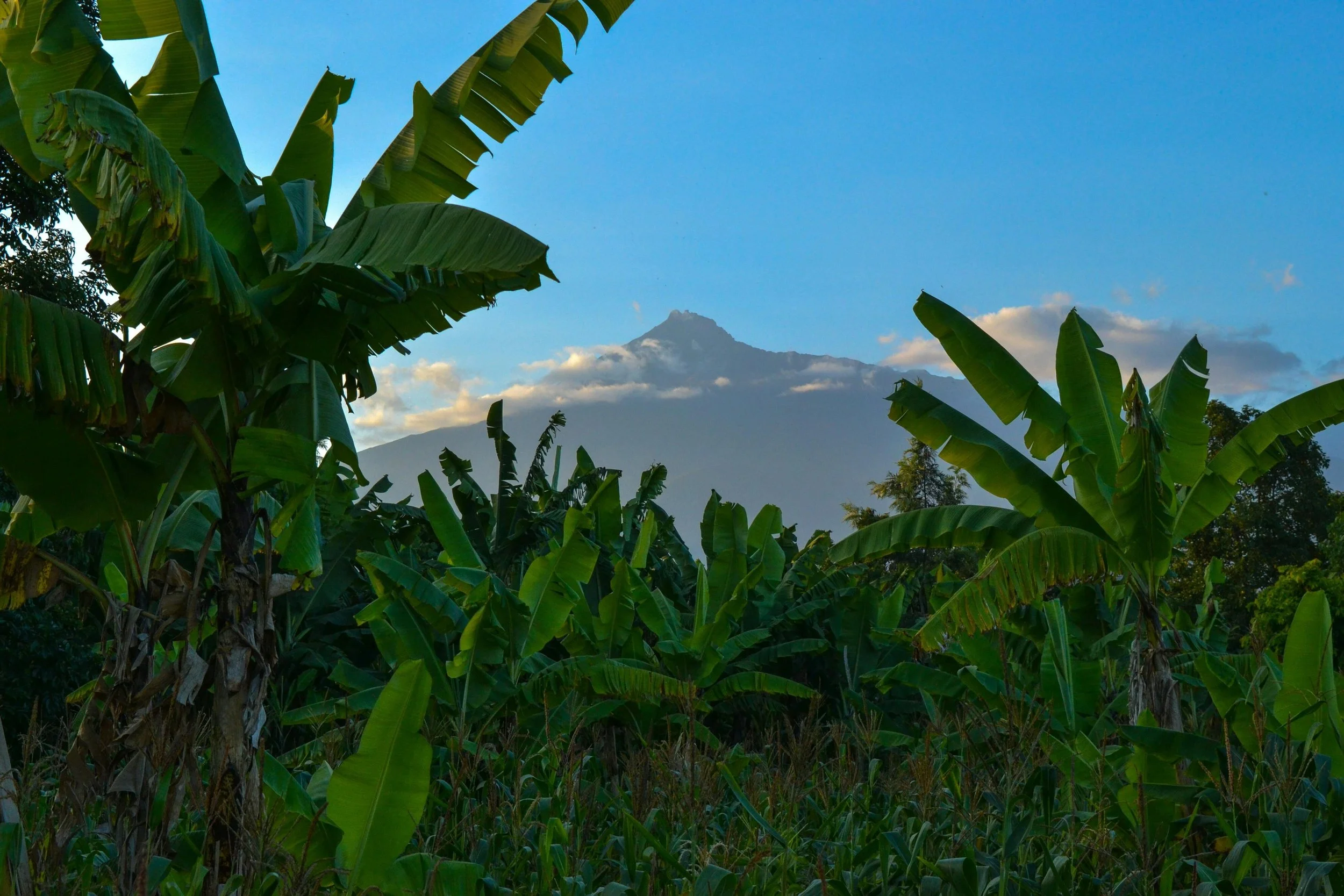
7 of the Best Mountains in Tanzania Every Hiker Will Love
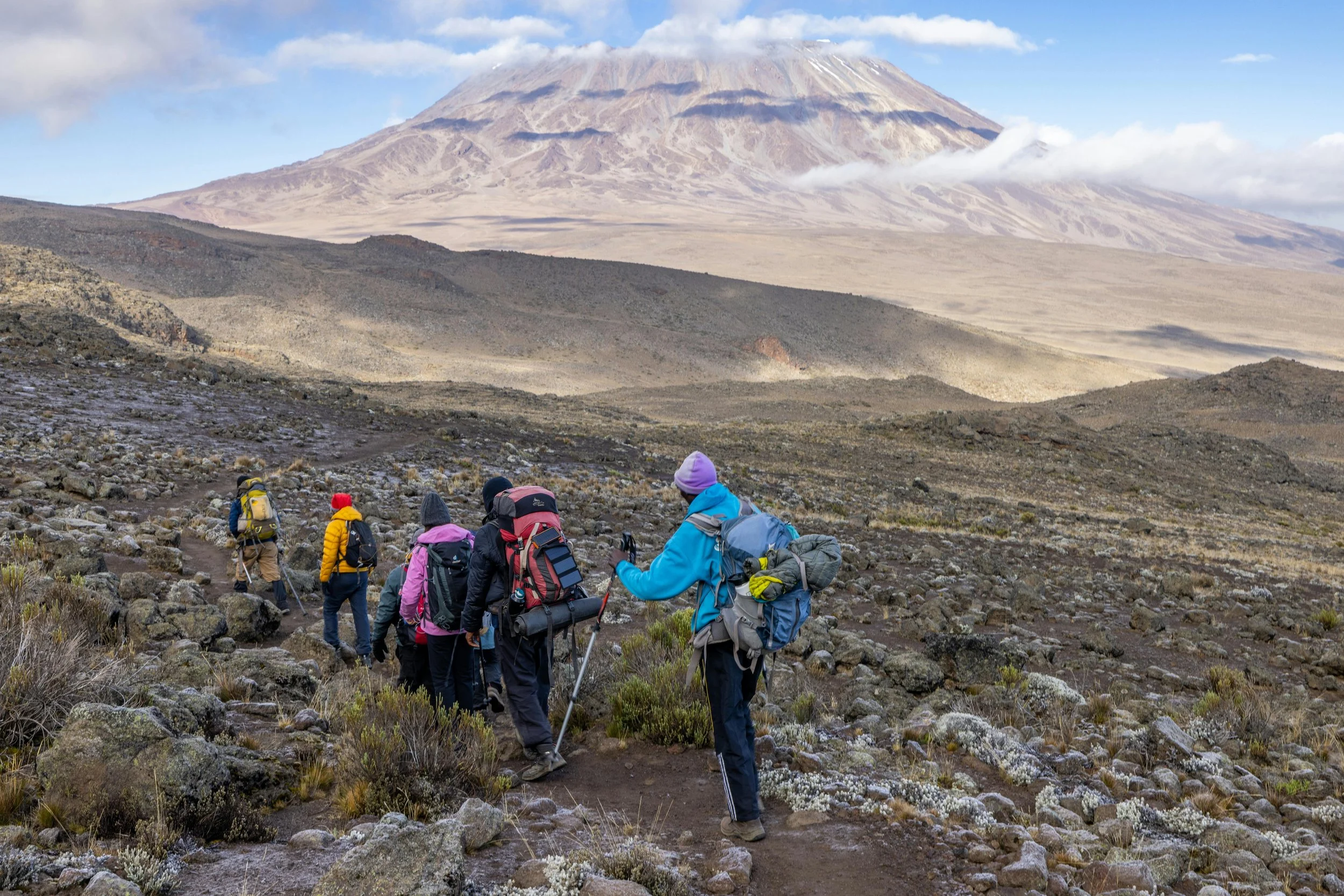
A group of hikers climbing Mount Kilimanjaro throughout its rugged landscapes / Image: balazsimon
One of Tanzania’s most amazing aspects that people often overlook is its collection of mountain ranges. From big-name summits to remote highlands, they offer experiences that extend well beyond the classic safari circuits.
It’s widely known that Kilimanjaro has long served as the primary draw for trekkers visiting East Africa. However, a growing number of adventure travelers over the past decade have begun exploring the country's lesser-known peaks. This has positioned Tanzania as one of the continent's most diverse mountain destinations, catering to seasoned trekkers and casual day hikers alike.
In this article, we’re going to look at some of the best mountains in Tanzania worth adding to your itinerary, so you can plan some treks for your upcoming trip.
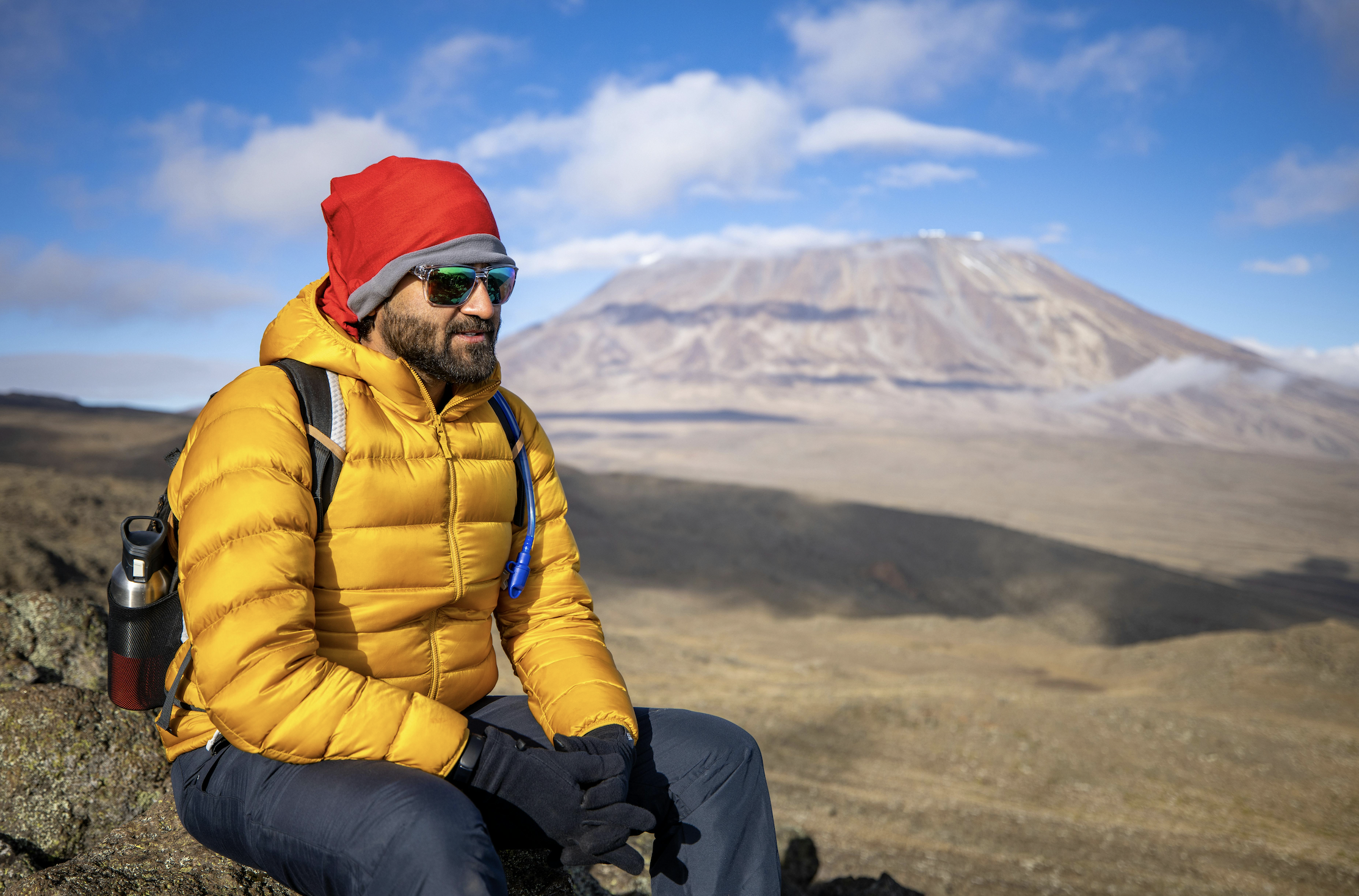
Kilimanjaro Day Hike
Join us on one of our unforgettable 1-day Kilimanjaro hiking routes, perfect for families, couples, groups of friends, and larger travel groups alike.
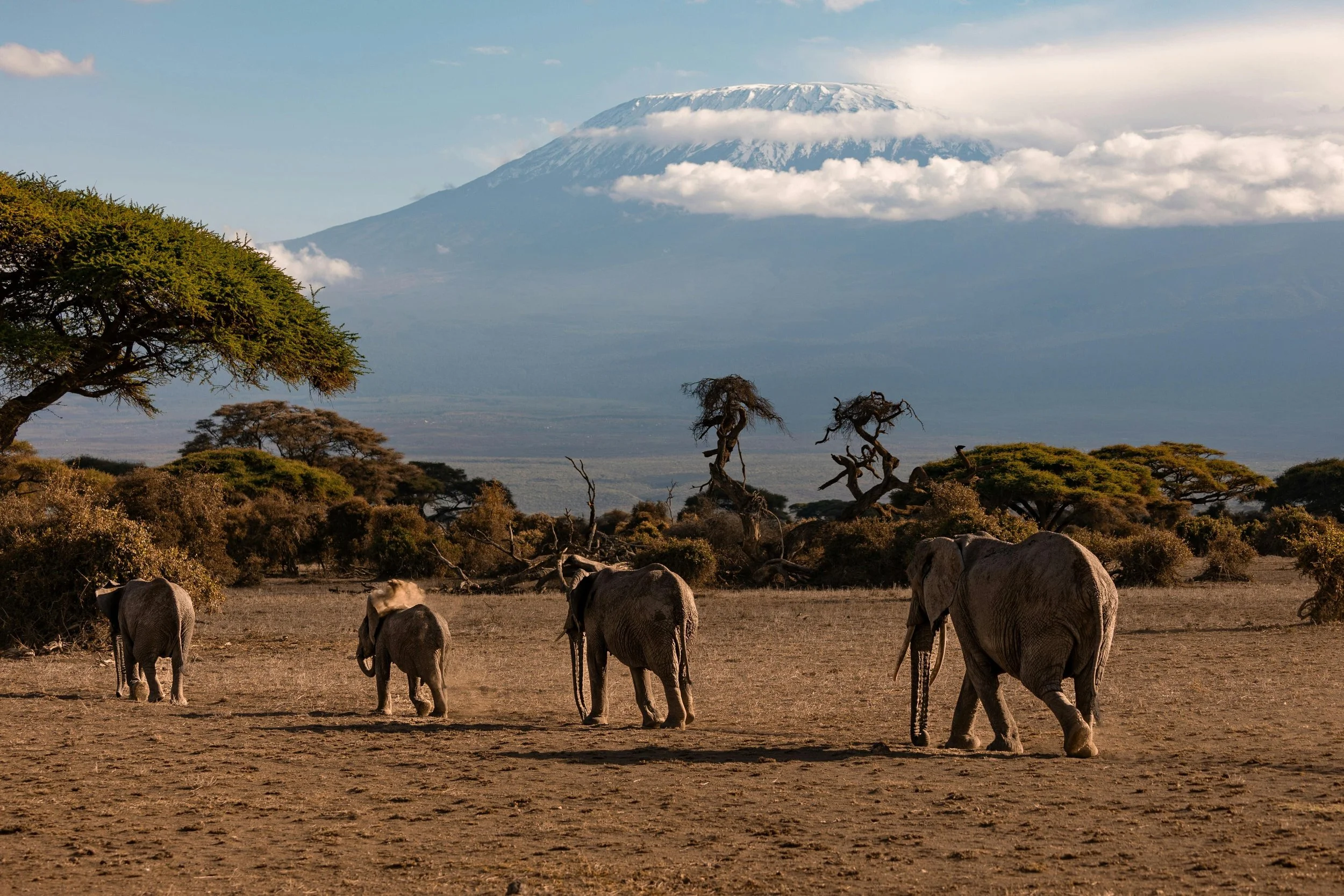
A herd of elephants walking in a line with Mount Kilimanjaro in the background / Image: laukevtravel
Mount Kilimanjaro
There's no peak in Africa like Mount Kilimanjaro. At 5,895 meters, it's the highest mountain not just in Tanzania but on the continent. Mount Kilimanjaro is also one of the famous Seven Summits, making it a bucket-list climb for hikers worldwide. Every year, hundreds of thousands of people travel to northern Tanzania just to take on this iconic multi-day trek with the assistance of trained local guides and porters.
There are several routes that you can walk to reach the top of Kilimanjaro, each offering a different experience. The Machame Route is the most popular choice, while the Lemosho Route is widely considered the most scenic. Before settling on one, though, it’s a good idea to research how difficult each option is. This will allow you to choose one that best suits your level of fitness.
A full Kilimanjaro climb typically takes between five and nine days, depending on the route you decide to go with. Taking a few extra days to acclimatize is strongly recommended, as altitude sickness is one of the main reasons people don't make it to the summit. It's also important to note that hiring a registered guide is mandatory under park rules. Tourists are not allowed to hike Kilimanjaro by themselves.
The two best times to climb Kilimanjaro are from January to March and from June to October. These windows offer the best weather, though they're also the busiest periods on the mountain. If you decide to come during these months, expect it to be bustling.
Mount Meru
Mount Meru doesn't get nearly the attention that Kilimanjaro does, even though they’re in the same region. Standing at 4,562 meters, it's the fifth-highest mountain in Africa, which sits within the famous Arusha National Park, where we run some of our safaris.
Mount Meru is also still one of the few volcanic mountains in Tanzania, though there hasn't been any recorded eruption since 1910. For now, trekking to the summit is safe.
One of the biggest draws of Mount Meru is the fact that it's nowhere near as busy as Kilimanjaro. With far fewer crowds on the trails, you’ll feel as if you have the whole mountain to yourself. On a clear day at the top, Kilimanjaro is visible in the distance, which makes for a memorable view. Additionally, you may also experience some wildlife encounters if you’re fortunate, as species like buffalo are commonly found here.
Climbing Mount Meru takes around four days, making it easy to fit into a broader Tanzania itinerary alongside a safari. The entry fees are also significantly lower than those for Kilimanjaro, which is why people usually decide to hike this mountain instead.
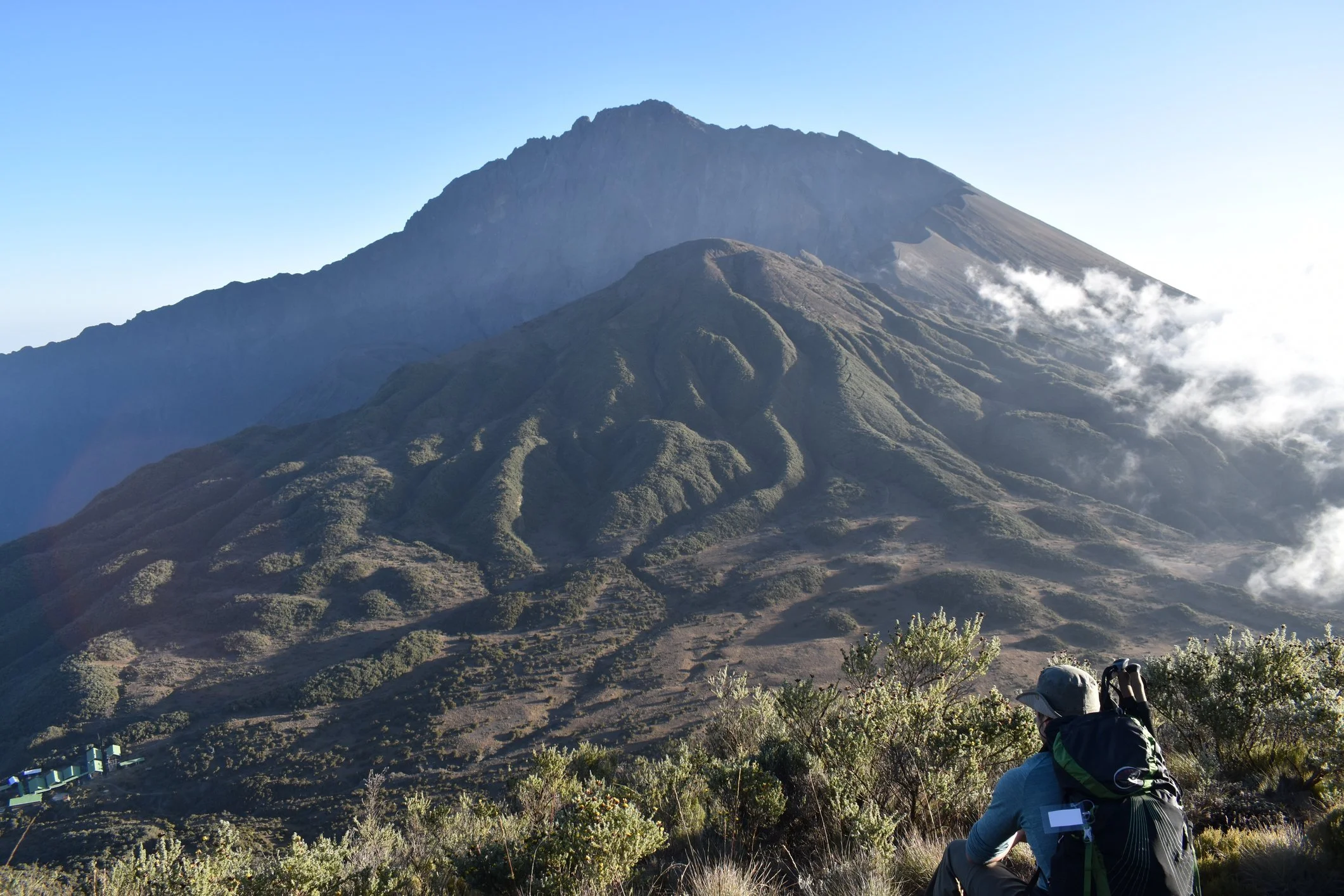
A hiker staring up at the summit of Mount Meru
Oi Doinyo Lengai
Sitting between Lake Natron and the Ngorongoro Crater, Ol Doinyo Lengai is up there with the best hiking experiences in all of Tanzania.
It’s a tough, but rewarding trek that takes between eight and twelve hours to complete and is almost always done as an overnight climb. Usually, you’ll reach the summit crater just in time for sunrise. The vistas from the top are absolutely spectacular, especially if it’s not too cloudy and you get a nice glimpse of the morning glow.
What makes Ol Doinyo Lengai particularly fascinating is that there’s a crater rim at the top that you can walk around. It has a huge drop that can be quite frightening when you first see it, but the trail is wide enough for a few people to walk at once.
Because Oi Doinyo Lengai is an active volcano, there’s a real risk of eruption, but the guides operating in the area are always monitoring the situation. They won't run tours if there has been any significant volcanic activity in the lead-up to your climb.
Udzungwa Mountains
Moving south to the central interior of Tanzania, the Udzungwa Mountains are a rainforest-covered highland region with a number of exciting trails for travelers to explore.
The Udzungwa Mountains are a very different experience from the volcanic peaks of the north. You'll be treated to majestic waterfalls like the Sanje Waterfall, jungle-covered slopes, and endless flora and fauna waiting to be discovered as you get out into the wild.
Before visiting Udzungwa Mountains, make sure to set aside some time to plan your trails, as there's a mix of short walks and multi-day treks that are available. For those wanting to spend most of their time hiking, the Mwanihana Peak Trail is popular among experienced walkers. It’s a 38-kilometer round trip through grasslands and dense forest, with campsites that you can stay at along the route. Anyone who would prefer a single-day outing should consider the Hidden Valleys Trail, which is much shorter. It can be done in seven hours and brings you through some stunning valleys where elephants can sometimes be seen, as well as river crossings like the one at Njokamoni.
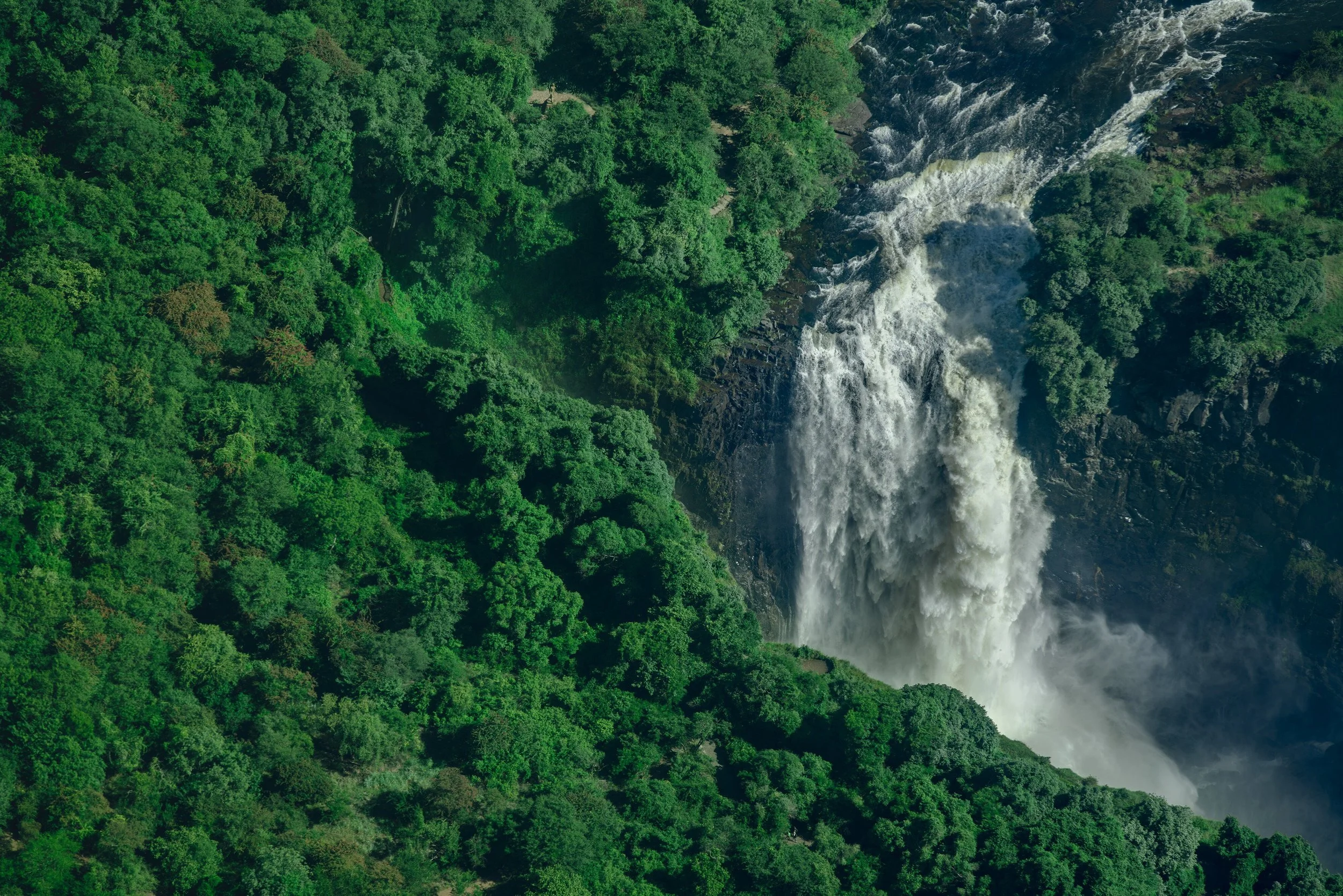
There are many gorgeous waterfalls to see in the Udzungwa Mountains along the rainforest-covered highlands / Image: fatinmark
Mount Longido
Straddling the border with Kenya near the town of Longido, Mount Longido stands out for its distinctive shape. If you were to look at it from ground level, it looks pretty difficult to climb, but it's far more accessible than most people expect. That said, it’s by no means easy. Having some trekking experience will help.
It’s possible to finish the Mount Longido hike in a single day with an early start, though you'll need to pass through several different ecosystems along the way. These include dense rainforest at the base and rocky terrain as you approach the summit. On a clear day, you’ll be able to see Mount Meru and sometimes even Kilimanjaro from the highest point.
If you want to climb Mount Longido, you must be accompanied by one of the Maasai guides who operate in the area. This part of the country is heavily populated by the Maasai, one of Tanzania’s main tribes, and many of the guides running the tours are from this group.
Rungwe Mountain
Located in the south, Rungwe Mountain is the second-highest peak, rising to 2,981 meters within the Mount Rungwe Nature Forest Reserve. This hike in Tanzania takes up to 10 hours and can be comfortably completed in a day. It’s a good option if you're short on time but still want to include a trek on your itinerary.
Unlike some of Tanzania’s mountains we’ve already covered in this article, you don’t legally need a guide to climb Rungwe Mountain. However, most people hire one since the terrain can be quite difficult to navigate if you're unfamiliar with the area.
Another thing to be aware of is that this region receives significant rainfall. So having a guide who knows how to handle the conditions, whether the trail gets rough or you can’t find your way back due to the mist, will benefit you in case there’s a downpour.
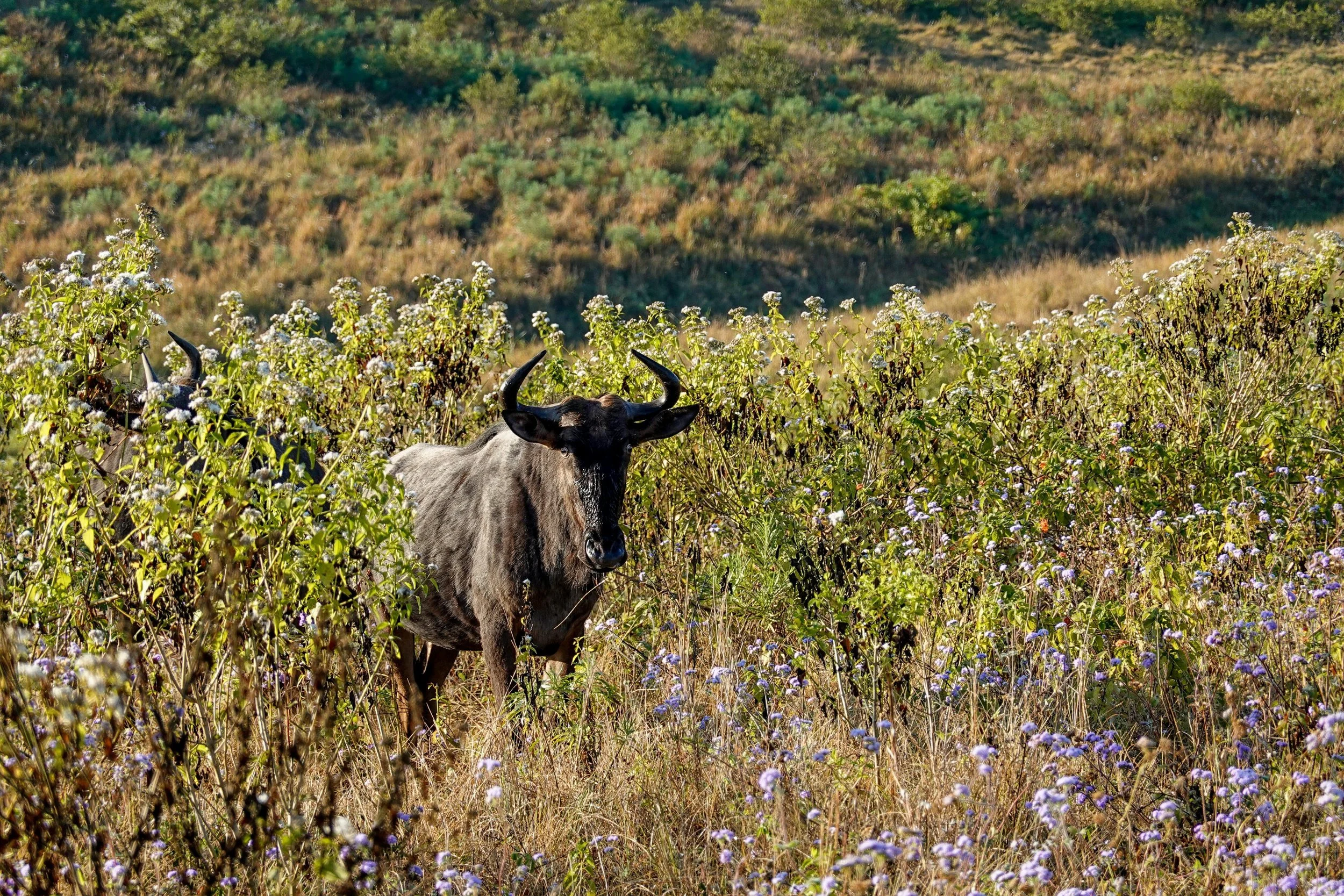
A wildebeest stands in grass and flowers in Mkomazi National Park / Image: magda-ehlers
Usambara Mountains
In north-eastern Tanzania, close to Mkomazi National Park, lie the Usambara Mountains, which are a true hidden gem, favored for their cool conditions and lush green landscapes. These mountains make for a wonderful base to spend a few days hiking before moving on to your next destination in Tanzania or Kenya across the border.
There are a number of trails that you can do across the Usambara Mountains, giving you plenty of options for short stays or longer trips. The first day you arrive, you could try the 8.9-kilometer Magamba Viewpoint Loop from Lushoto. The next head out on the traditional pottery village loop to Mambo Viewpoint, covering around 18.5 kilometers and passing through some fascinating local communities. The half-day Irente Viewpoint Walk is another popular choice, offering wonderful panoramic views, and it doesn’t take too much time to complete.
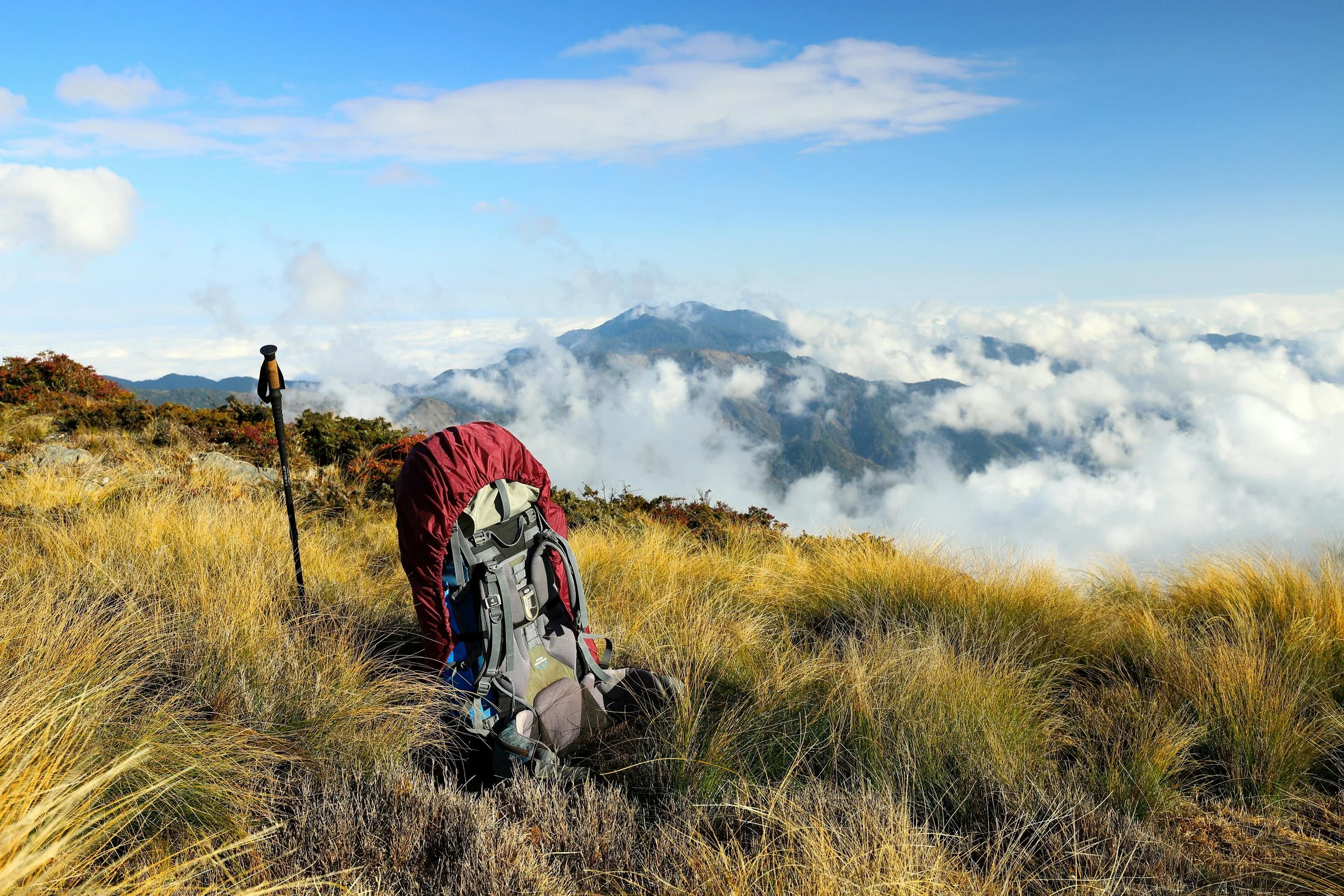
Ready to experience the incredible mountains of Tanzania for yourself?
Whether you are dreaming of a 1-day hike on Mount Kilimanjaro, a full Mount Meru trek, a scenic Empakaai Crater hike, or a completely tailor-made adventure, we would love to help you plan it. Our experienced guides can create the perfect itinerary around your travel style — whether you would like a standalone hiking experience or to combine your trek with an unforgettable safari.