
KENYA AND TANZANIA SAFARIS - HOW TO PLAN THE PERFECT MULTI-COUNTRY TRIP
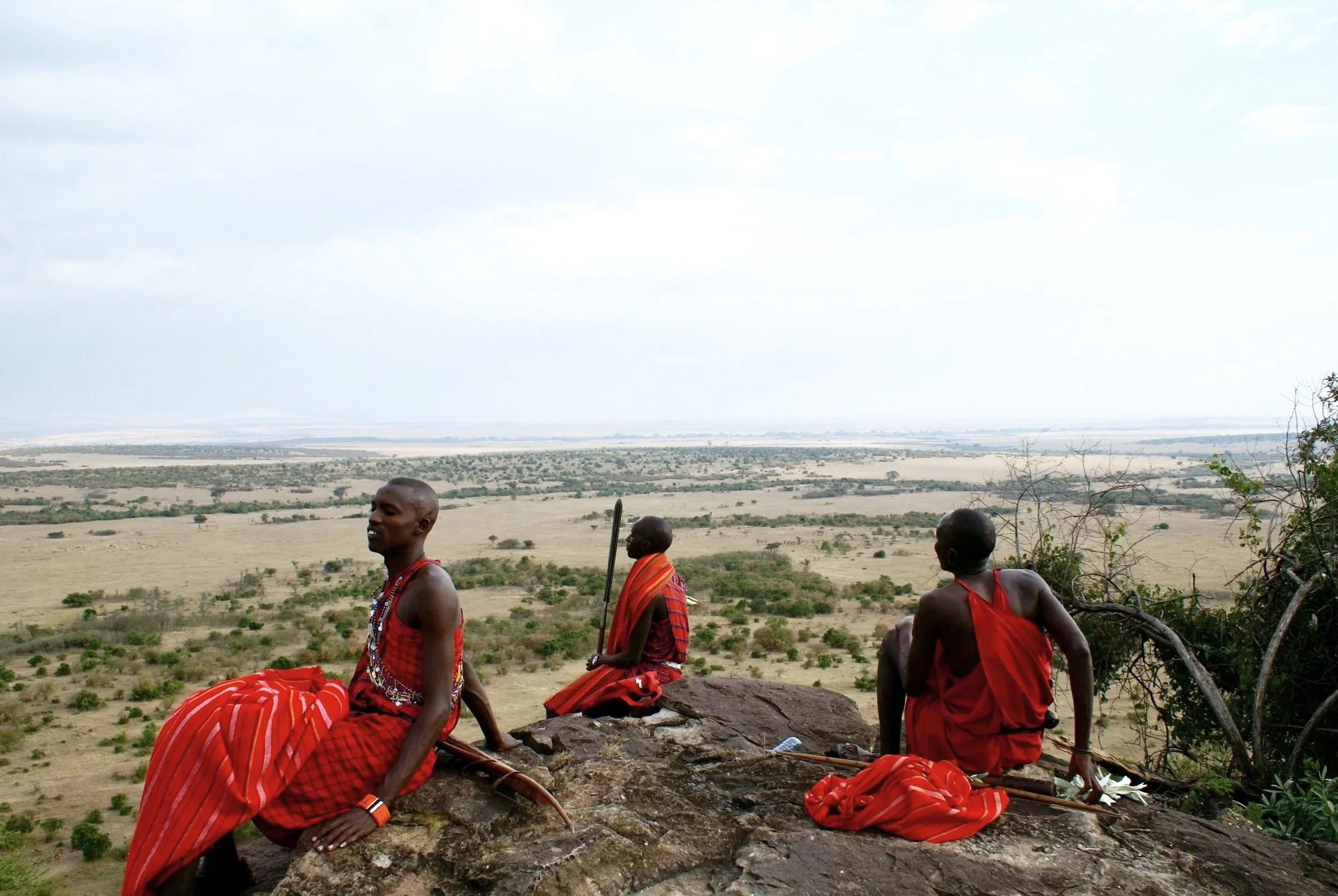
Overlooking the vast plains of the Masai Mara in Kenya / Image: lisa-stockton
Kenya and Tanzania are prime safari destinations on many people’s bucket lists. These two countries are frequently combined into a single trip due to their close proximity, with travelers crossing the border to experience both in one adventure.
If you’re interested in safaris in Kenya and Tanzania, we’ve put together this guide to help you start planning your East Africa itinerary. It includes all of the essential information, tips, and experiences you need for an amazing trip.
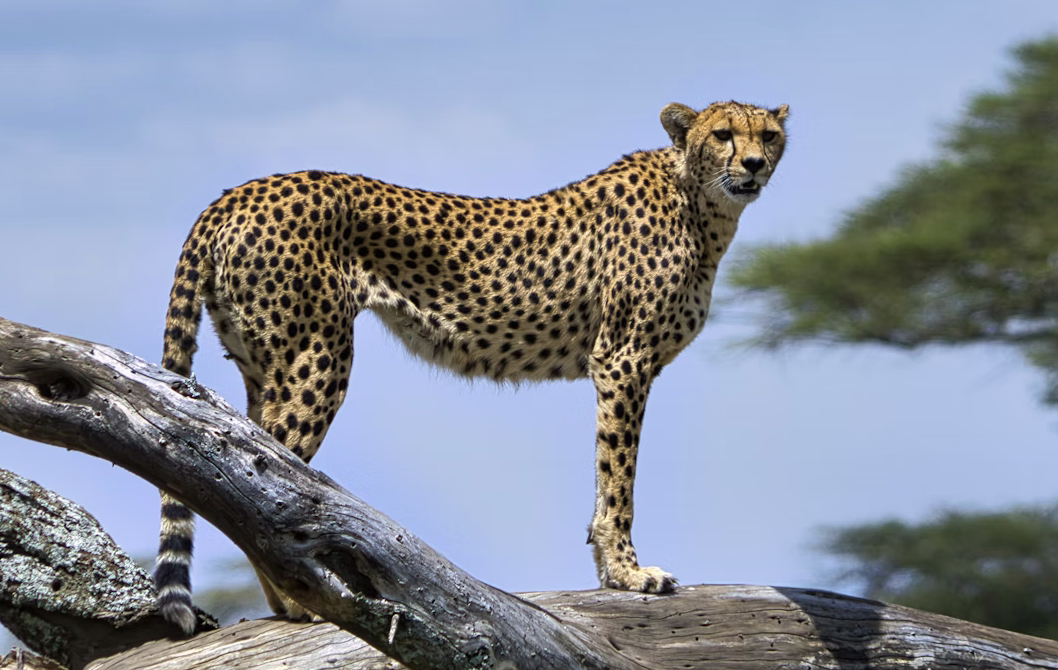
4-DAY SERENGETI ADVENTURE
Showcasing the best of the Serengeti, step inside our adventure and discover how it unfolds right before your very eyes….
WITHIN THIS ARTICLE
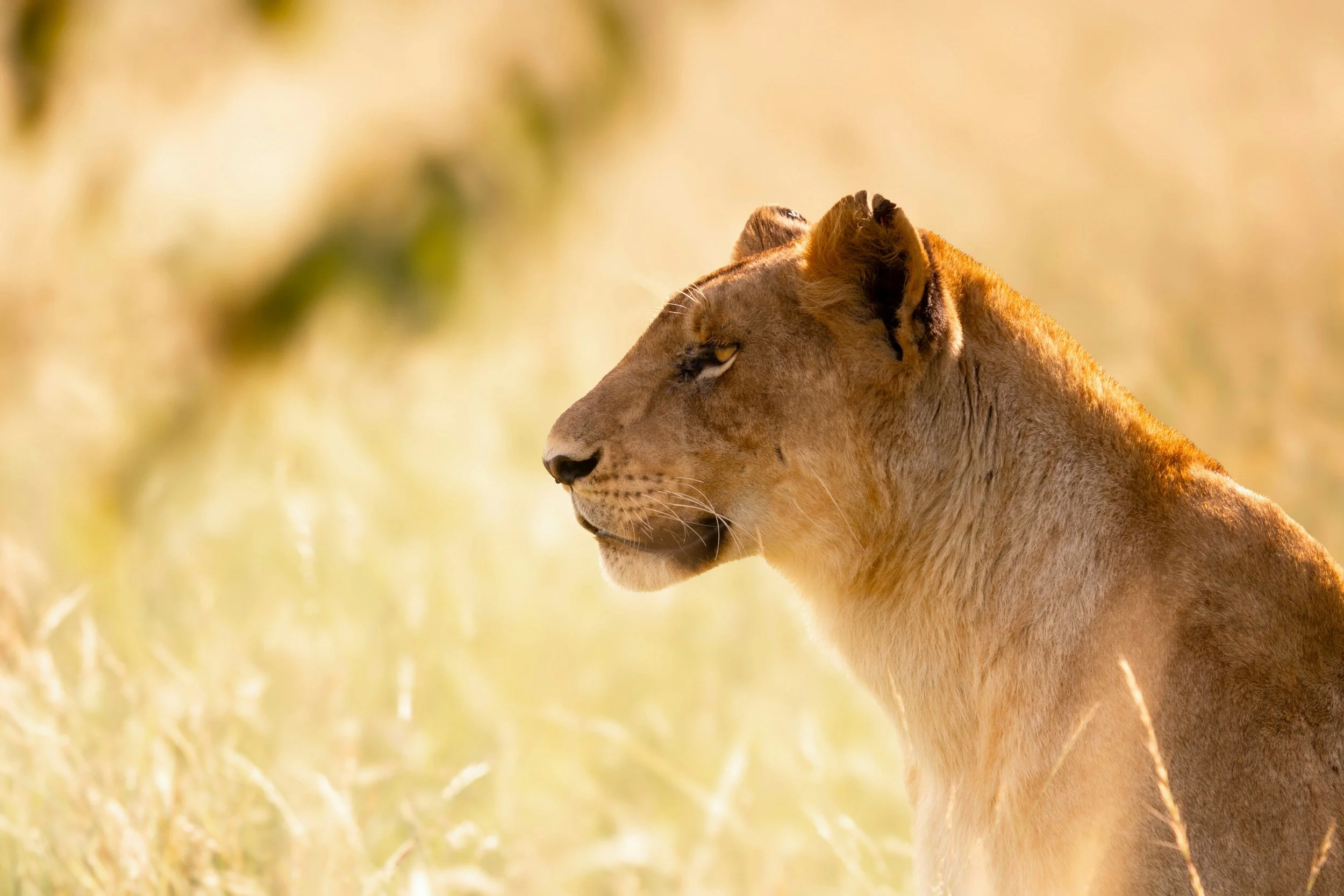
A lioness sitting in the golden grass, lookin out into the Masai Mara plains / Image: udara-karunarathna
What Makes a Kenya and Tanzania Combo Safari Special?
Kenya and Tanzania are among some of the finest safari locations in the world. They offer something for everyone, whether your focus is on wildlife, traditional cultures, diverse ecosystems or natural landscapes with sweeping views.
When it comes to animal sightings, it’s fairly easy to spot the iconic Big Five in both countries, especially at places like Tanzania’s Ngorongoro Crater, the Serengeti and Kenya’s Masai Mara National Reserve. In addition, both nations are home to an array of other incredible wildlife species, from peaceful giraffes and charming warthogs to bird species like the iconic flamingos. The famous Great Migration also runs through both nations at different times of the year, so you can witness parts of it in each destination when you visit.
The ways to experience a safari in Kenya and Tanzania have evolved significantly over the years, offering travelers more variety and flexibility than ever before. Today, safaris aren't just about traditional game drives. They can also include a range of activities like hot balloon safaris, walking safaris with armed rangers, and even stops in traditional tribal villages, which are especially popular in the Masai Mara National Reserve.
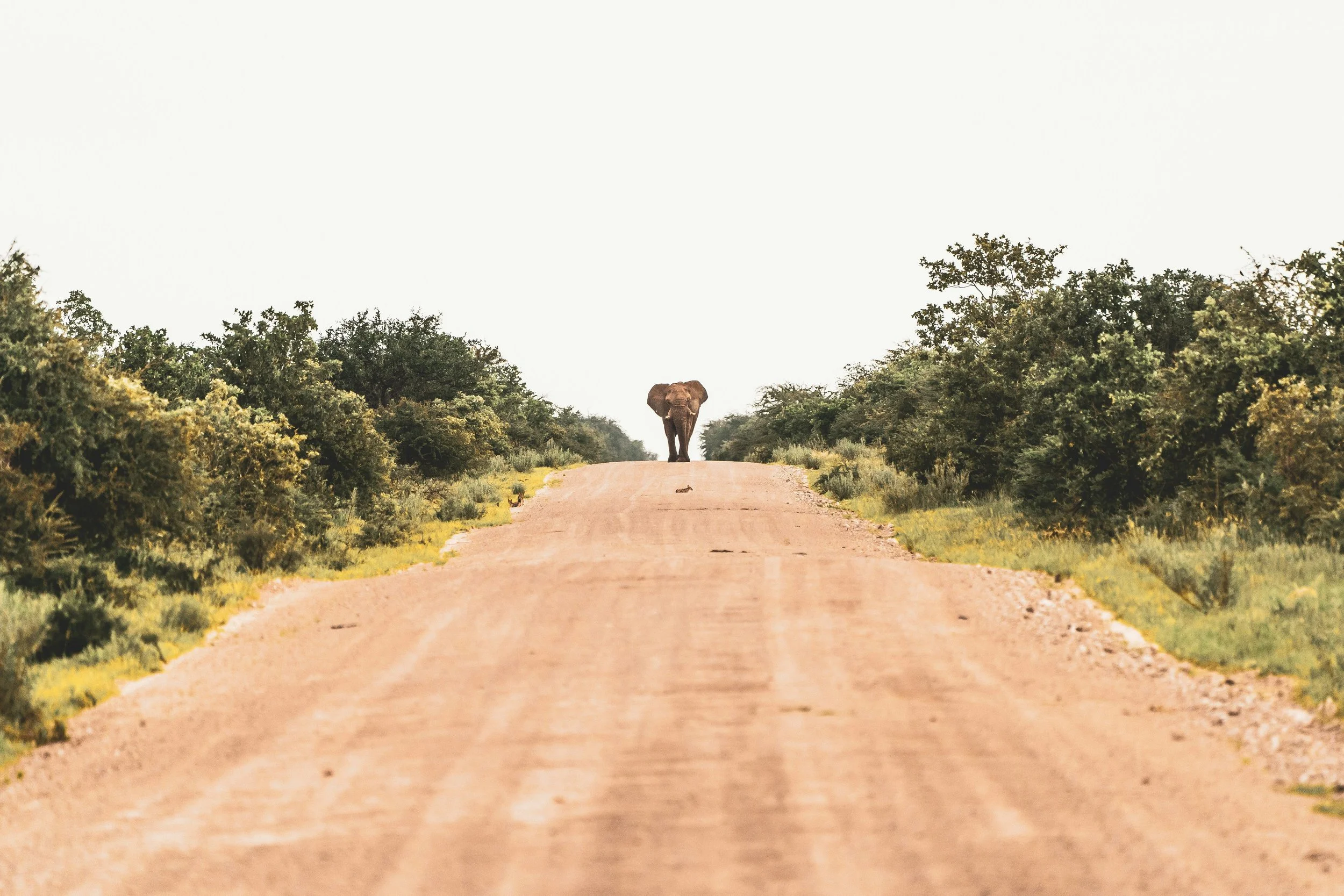
An elephant making its way down a dirt road in the African bush / Image: eelco-bohtlingk
What Travelers Need to Consider Before Booking a Combo Trip
While Kenya and Tanzania are both highly rewarding destinations, there are a few things worth thinking through before you book a combo trip.
Accommodation varies widely across both countries, ranging from basic camping to mid-range stays, soft luxury, and high-end lodges. Before putting together an itinerary, it's worth deciding on the level of comfort and quality you're looking for. Some areas, like the Serengeti, offer more variety in accommodation options than others, so knowing your preferences from the start makes the planning process much more straightforward.
Food options can be a little more limited when you're out on safari compared to what you'd find in the major cities, but what's on offer is typically always fresh. Camps and resorts will do their best to cater to different dietary requirements, including vegans, vegetarians and those with gluten intolerances, but be aware that there may be some limitations in more remote locations. If you have specific dietary needs, let your operator know in advance so arrangements can be made wherever possible.
Traveling between parks in Kenya and Tanzania isn't always smooth sailing. Roads in parts of both countries are well developed, but once you move out into the more rural areas, conditions aren't always as good. This can sometimes result in drivers needing to take longer routes to reach your next destination, adding extra time on the road. It's part of the adventure, but it's something to factor into your expectations.
In some cases, taking an internal flight is a more practical option due to the distances involved. These flights come with their own challenges, however. Weather can sometimes cause disruptions, for example when landing at airstrips like Ngorongoro, where cloud cover can interfere with navigation. If conditions are not suitable for a safe landing, flights may be delayed, rescheduled, or, in rare cases, cancelled.
Length of Trip
Before you can decide on an itinerary, it’s suggested to determine how many days you have for your holiday to Kenya and Tanzania. Assess how much time you can spend in each country, then build a plan around it.
Itinerary
The exciting part of every trip is creating your itinerary, and with a Kenya and Tanzania safari, you’re spoiled for choice. We’ll run through the best places to visit a little further through the article, but what’s important is that 1. You choose destinations that you would love to visit, and 2. You select stops with your tour operator based on convenience.
Remember, because you’re on vacation, the time you have available needs to be carefully considered. We can tailor itineraries to suit different travel styles and trip durations. Whether you prefer a faster-paced adventure or to take things slower, there are many ways to plan your multi-country vacation.
For shorter safari trips, people often like to focus on northern Tanzania and southern Kenya. This allows you to keep the travel distances short while still enjoying a rewarding overall experience. Anyone with more time can follow a similar route at a slower pace, with the option to extend their journey to additional locations such as nearby national parks, the Tanzanian islands like Zanzibar, or Diani Beach on Kenya’s east coast.
Wildlife You Want to See
Everyone comes to East Africa with different priorities. Some travelers are focused on ticking off the Big Five, while others have their hearts set on witnessing the Great Migration. Given the sheer range of wildlife spread across both countries, it’s best to put a plan together ahead of time.
In Tanzania, Lake Manyara National Park is famous for its tree-climbing lions and the striking pink flamingos that gather along the lake's shores. Tarangire National Park is renowned for its large elephant population, which is said to be one of the biggest in Africa. Arusha National Park, meanwhile, offers excellent giraffe sightings and is one of the more accessible parks in the northern circuit.
Crossing into Kenya, the Masai Mara National Reserve is where you can watch the Great Migration unfold as wildebeest and zebras stampede across the border from the Serengeti. Amboseli National Park is the place to see large tusked elephants set against the backdrop of Mount Kilimanjaro. And if you happen to be flying out of Nairobi, Nairobi National Park is worth knowing about. Leopards, black rhinos, and buffalo can all be found right on the edge of one of Africa's major cities.
Visas
Depending on your nationality, you may need a visa to enter Kenya or Tanzania, or both. Each country has its own rules surrounding this, with updates regularly occurring, always review and do extended research to learn the requirements.
For Tanzania, tourists from many countries will require a visa. Some nationalities are eligible for an e-visa, which can be applied for through the official Tanzanian electronic application system. Visa on arrival is also available to select nationalities, though not everyone will qualify for this option.
When applying for an e-visa, average processing times are around 10 days, but we recommend applying at least six weeks before your departure date to avoid any last-minute issues.
For more details, take a look at our Tanzania visa guide, but always cross-reference with your country's Department of Foreign Affairs website for the most current requirements. The rules can and do change regularly.
Certain nationalities will only require a Kenyan eTA before entering the country. This can be filled out online before entering the country. In most cases, you’ll receive a response to your application within three working days of submission. Although the official advice is to submit it two weeks ahead of your arrival.
Border Crossings
For those combining Kenya and Tanzania into one trip, the main border crossing used by tourists is between the Serengeti National Park and the Masai Mara (called the Isebania border crossing). This serves as the primary route for safari travelers moving between the two countries.
To cross from one side to the other, you’ll need to ensure your passport is valid (has at least 6 months left on the passport) and that you have the necessary visa and eTA arranged in advance for each country. If you don't have the required documentation, you may be refused entry.
The border crossing between Tanzania and Kenya is generally straightforward, but it does require some patience. During the high season, when a large number of travelers are crossing at the same time, wait times can be longer than expected. On quieter days, the process can move quickly with very little waiting at all. It's best to be prepared for either scenario and approach it without too tight a schedule on either side of the crossing.
You'll need your passport ready to present when entering either country, along with any required visa documentation, depending on your nationality. Immigration officials will stamp your passport as part of the standard border process.
Cross-border safaris are usually planned so that you travel with a dedicated guide in each country. This means you’ll typically have one guide in Tanzania and another in Kenya, with all logistics coordinated in advance to keep things simple.
Flights
Flying between Tanzania and Kenya is the most efficient way to save you valuable time on your trip. Fortunately, there are many convenient flight routes available that you may want to consider, such as:
Jomo Kenyatta International Airport (NBO), Nairobi → Kilimanjaro International Airport (JRO), Kilimanjaro / Arusha
Jomo Kenyatta International Airport (NBO), Nairobi → Julius Nyerere International Airport (DAR), Dar es Salaam
Julius Nyerere International Airport (DAR), Dar es Salaam → Moi International Airport (MBA), Mombasa
Arusha Airport (ARK), Arusha → Jomo Kenyatta International Airport (NBO), Nairobi
Kilimanjaro International Airport (JRO), Kilimanjaro / Arusha → Moi International Airport (MBA), Mombasa
These connections will make traveling between Kenya and Tanzania easy and stress-free allowing you to really make the most of both countries on your adventure.
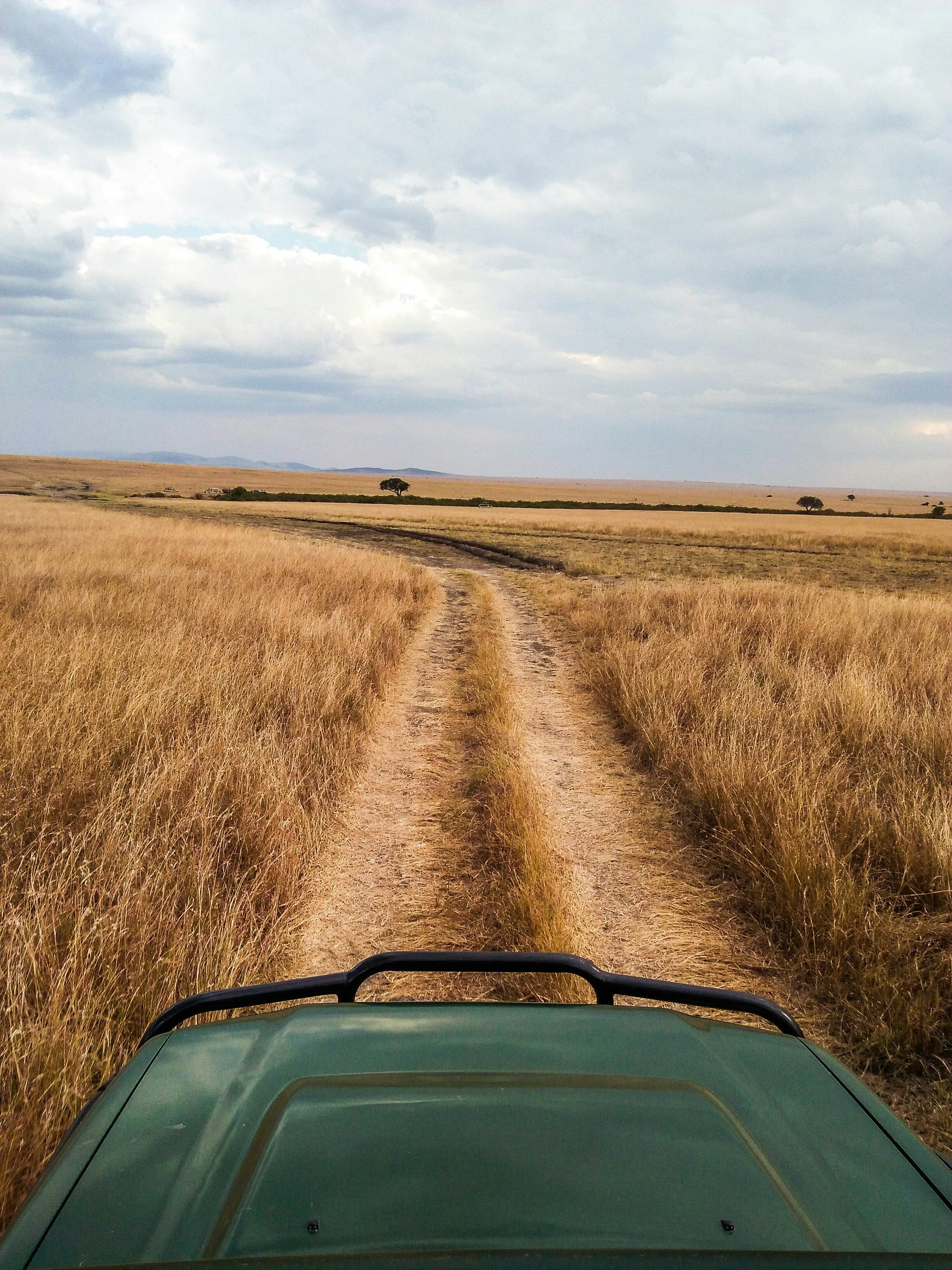
Driving through the Masai Mara’s golden plains on safari looking out for lions camoflaged in the grasses / Image: yash-shah
How Much Time Should You Spend in Each Country?
There's no fixed rule on how to divide your time on a Kenya and Tanzania safari trip. It will vary depending on your interests, travel style, and the time you have available.
For those with only a short amount of time, it's possible to see the main highlights from both countries in as little as 5 days, though the itinerary may feel slightly rushed. Around 7 days will be more comfortable, as it provides a nice balance without traveling too fast or too slow. Throughout a 7 day safari you would have the opportunity to enjoy the Masai Mara, the Serengeti, and the Ngorongoro Crater as well as include either or even both National Parks - Lake Manyara and Tarangire.
If you have time to extend your trip to 10-14 days, you'll have more time to explore additional parks and more remote regions in both countries.
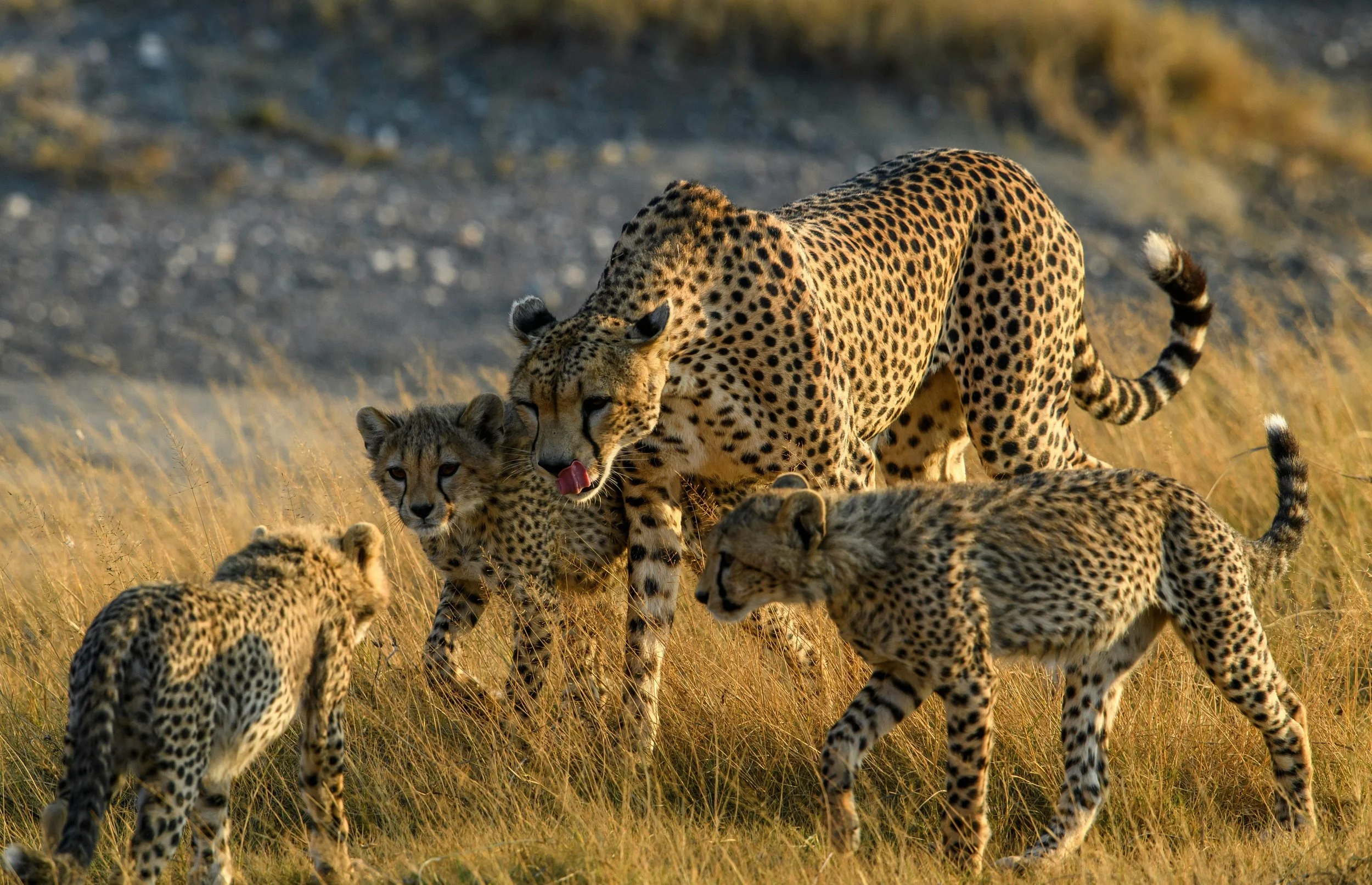
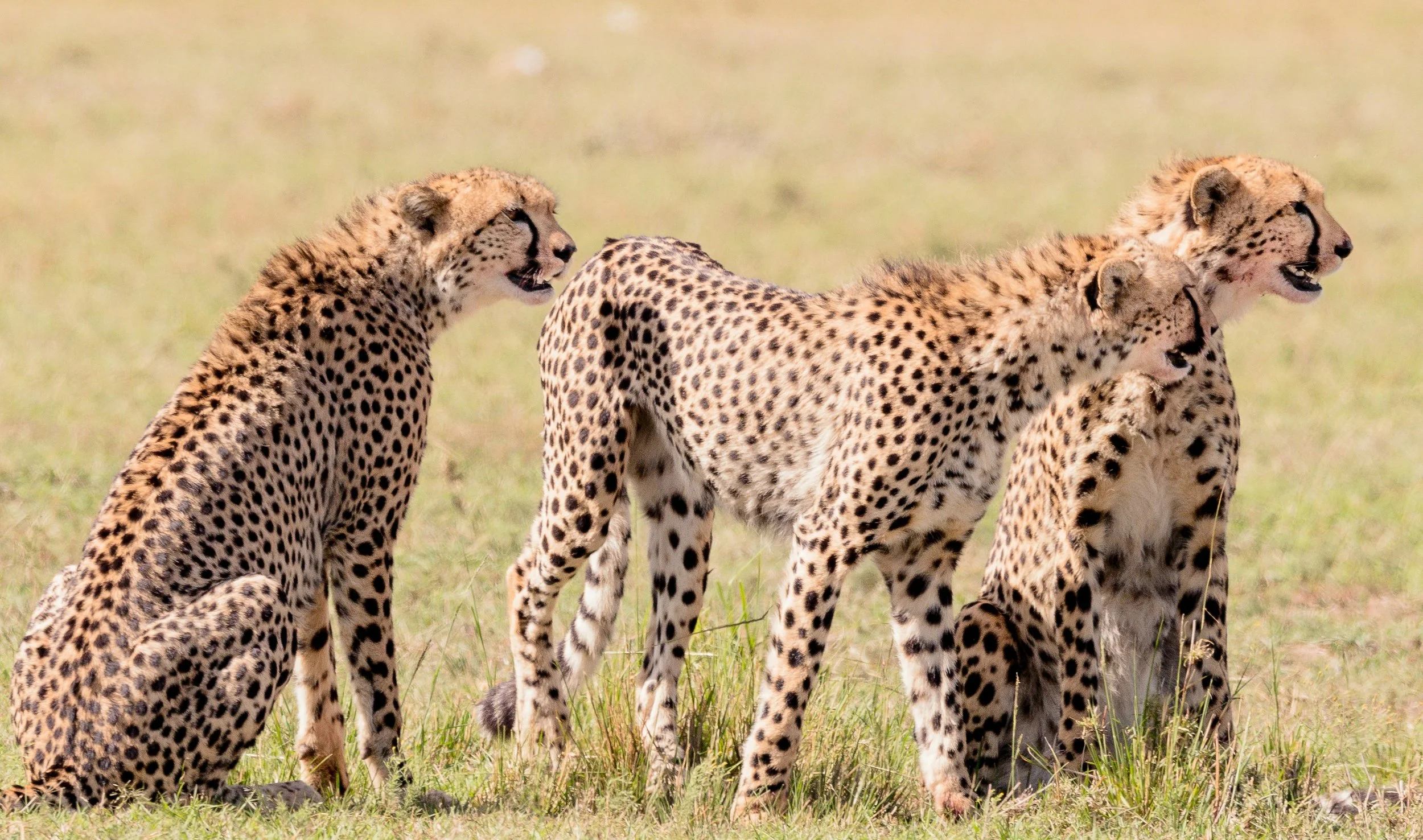
Cheetah’s are a probable occurance on any Kenya and Tanzania Safaris. Here is a family within the Tanzania short golden grasses / Image: sammy-wong
The Price of a Kenya and Tanzania Safari
Park Entrance Fees
Most parks in Kenya and Tanzania charge daily entrance fees, and prices differ between parks. Popular destinations like the Masai Mara National Reserve cost more to enter than quieter parks like Arusha National Park. These fees apply per person, per day, so the longer you spend inside a park, the more they add up.
Accommodation
The level of accommodation you choose is one of the biggest price factors. Upscale tented camps and luxury lodges located inside the parks come at a premium, but they allow you to be right in the heart of the safari environment surrounded by incredible views and wildlife. Staying outside the parks is more affordable, though you'll spend additional time each day traveling to and from the gates.
Distances
Long distances between safari destinations add to the overall cost. More driving means higher fuel consumption and longer periods of vehicle and guide hire.
Seasonality
Safari pricing rises during high season when demand increases, and availability at the best lodges can be limited. Traveling during the quieter months can offer better value, though the weather conditions in the parks can be less predictable.
Duration
Each additional day on safari increases costs across the board. Accommodation, park fees, guiding, and transport all add up. The longer your trip, the higher the total.
Group Size
Private safaris are often not as expensive as they might seem compared to shared group departures. While group tours split vehicle and guide costs among travelers, private safaris typically accommodate around six to seven people per vehicle, which helps bring the per-person cost down. Solo travelers will naturally pay more, but as the number of people in your group increases, the cost per person becomes much more comparable. For couples, families, or small groups looking for flexibility and a more personalized experience, a private safari can represent excellent value.
Package Inclusions
Oftentimes itineraries can be more affordable when they include only the core safari services and park fees. Adding select experiences—such as hot air balloon rides, bush breakfasts and dinners, walking safaris, or bush flights to access national parks quicker—will increase the overall price.
If you would like to keep expenses down, focus on one or two parks and choose more moderately priced accommodation that can offer better value for money. If you’re unsure what best suits your preferences or budget, feel free to reach out to us—we’re happy to walk you through the different package options available in Tanzania and Kenya.
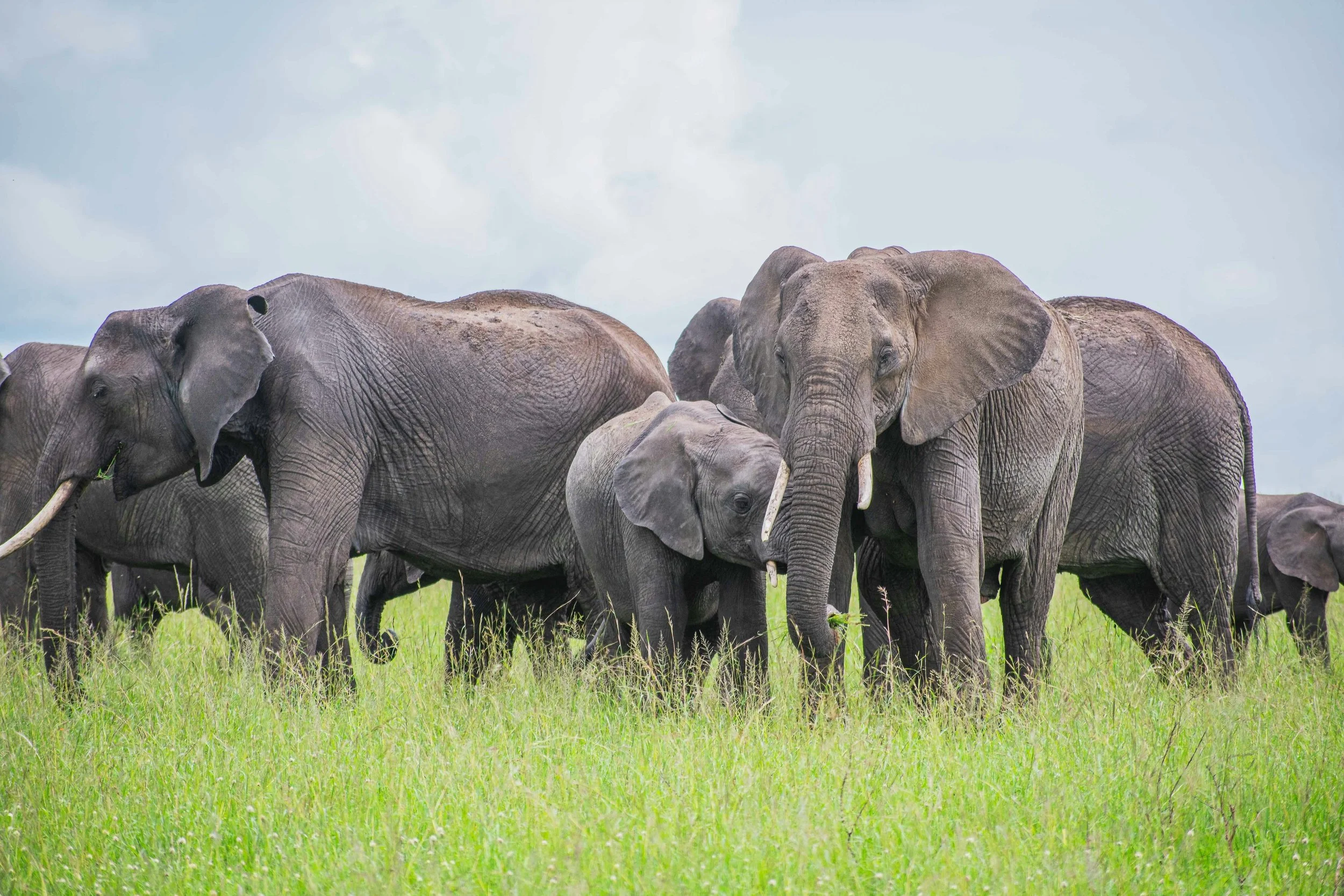
Elephants stand in the tall green grass throughout the wild of the Masai Mara in Kenya / Image: brian-kungu
Tips for Booking Kenya and Tanzania Safaris
Know Where the Border Crossings Are
Having some understanding of border crossing locations between Tanzania and Kenya will help organise your trip smoother. Your guide and tour operator will already know everything about them, but you should have some understanding of the procedure beforehand.
Ahead of the crossing, you’ll need to prepare a valid passport with at least six months' validity remaining, as well as sufficient blank pages for entry and exit stamps from both countries. As mentioned earlier, you may also require a valid visa, so this should be arranged in advance, along with an eTA if needed.
Another point to be aware of is the yellow fever requirements. If you’re traveling from, or have recently visited, a country considered to be at risk of yellow fever transmission, you'll need to present an official yellow fever vaccination certificate at the border. This is for both Tanzania and Kenya. However, if you're coming from a country such as the United States, you won't be asked to show this certificate.
When you arrive at the border crossing, you'll remain in your safari vehicle while the driver queues to cross. At this point, your guide will accompany you on foot to the immigration counters. You'll first complete the exit process for the country you’re leaving. The officers will ask for your passport, put your details into the system, and then give you an exit stamp. You'll then proceed to the immigration side of the next country and repeat the process for entry.
When entering, present your passport again, along with the required visa, eTA, and any additional supporting documentation that the officers may request. If you’re traveling with an eVisa, you should carry a printed copy with you in case someone asks for it.
For anyone applying for a visa on arrival, you must pay for it on the spot. It's recommended to carry US dollars for this purpose and have the exact amount available, as the staff may not have change to give you back.
At the customs section, they might ask whether you're carrying any prohibited items. Make sure to check the relevant customs regulations beforehand to avoid any issues during this part of the process.
Once all the formalities are completed, you'll rejoin your guide and driver and continue on to the next stage of your journey.
Namanga Border: Between Arusha and Nairobi
Isebania/Sirari Border: Between the Serengeti and Maasai Mara
Rongai Border: Near Kilimanjaro
Taveta/Holili Border: Between Moshi and Tsavo West National Park
Stick to a Single Circuit Instead of Swapping
Safari circuits in Tanzania and Kenya are easier to follow than moving back and forth between the two countries, since each circuit is situated within a single region.
Tanzania's Northern Circuit, which covers the Serengeti, Ngorongoro, Tarangire, and Lake Manyara, and Kenya's Masai Mara are good examples. The parks within these regions sit relatively close together, which makes it easy to travel from park to park with short drives. It also keeps border logistics to a minimum and ensures more of your time is spent on safari.
Even if you wanted to adjust your itinerary and include some of Kenya's other national parks, this is also very doable. For instance, Amboseli National Park is around 8 hours and 45 minutes from the Masai Mara, and you'll pass through Nairobi on the way. Because of this, you could either break the journey with an overnight stay in Nairobi if you have time before continuing on, fly or complete the drive in a single day if you prefer.
Alternatively, you could include a stop at Lake Nakuru, either before heading to Amboseli or as part of your wider route, as it is only a short detour.
Another option would be to travel from Arusha National Park across to Tsavo National Park, which is only around a four-hour drive away, making it a relatively accessible extension to your itinerary.
Use a Single Operator
Coordinating between two separate companies can add unnecessary complexity to your plans, particularly around the border crossing, even though it’s still possible to organize. It’s usually better to book your Kenya and Tanzania safari through a single operator, as this simplifies the process.
At BornWild, we specialize in designing combined safaris across Tanzania and Kenya, with every detail handled from start to finish. We love to work within a wide range of budgets, so whatever you have in mind, please feel free to contact us for a free personalized quote and itinerary proposal.
Be Strategic with the Time of Year You Visit
The high season in Tanzania and Kenya runs from June to October, which coincides with the dry season. During this period, you can expect sunny skies, lower humidity, and excellent wildlife viewing conditions. However, because it is the busiest time of year, more travelers visit, which leads to higher prices for tours, accommodation, and flights.
Many travelers choose to travel in December, particularly over the Christmas and New Year period, when demand is high. This time of year coincides with the short rainy season, although rainfall is usually brief and often occurs in the afternoons or evenings. By late December however, conditions often begin to improve, though the weather can still be a little unpredictable. Packing a light waterproof jacket is recommended to stay comfortable during some occasional showers.
The period from January to early March is also popular, particularly for witnessing the calving season. This is when large numbers of wildebeest give birth, creating plenty of dramatic wildlife viewing opportunities.
By the time April comes, it's too wet for safaris, with heavy rainfall making travel and game viewing extremely difficult.
The shoulder months include March, May, November, and the beginning of December. These periods can still offer good travel conditions, with fewer crowds and lower prices. However, the weather can be more unpredictable depending on the region and timing within the rainy seasons.
If you want to witness the Great Migration on your Kenya and Tanzania safari, it typically takes place from June to the start of October. You'll need to plan accordingly, though, as the herds are found in specific locations at certain times of year.
The Great Migration is a continuous cycle in which the animals begin in the southern Serengeti and slowly make their way north towards the Masai Mara in Kenya. While there are clearly defined seasonal patterns in which the herds are typically located at different times, weather conditions in any given year can influence the exact direction and timing of their movement. Because of this, it can be difficult to predict precisely without expert local knowledge.
Tipping is Optional
One of the biggest things people want to know about when going on a safari is tipping. It’s normal to question whether it’s necessary or not, particularly for tourists coming from countries like the US, where tipping is more common.
Tipping in Tanzania and Kenya is discretionary, so it's entirely optional. However, tipping is widely customary on safari and plays an important role in supplementing the wages of guides and lodge staff. However, it's a meaningful way to show your appreciation for excellent service, and any amount given is greatly appreciated by those working behind the scenes to make sure your trip goes well.
When you have a particularly good experience, it's recommended to leave a tip for guides, hotel or lodge staff, kitchen and wait staff, and airport transfer drivers. We have included suggested amounts in our Tanzania tipping guide.
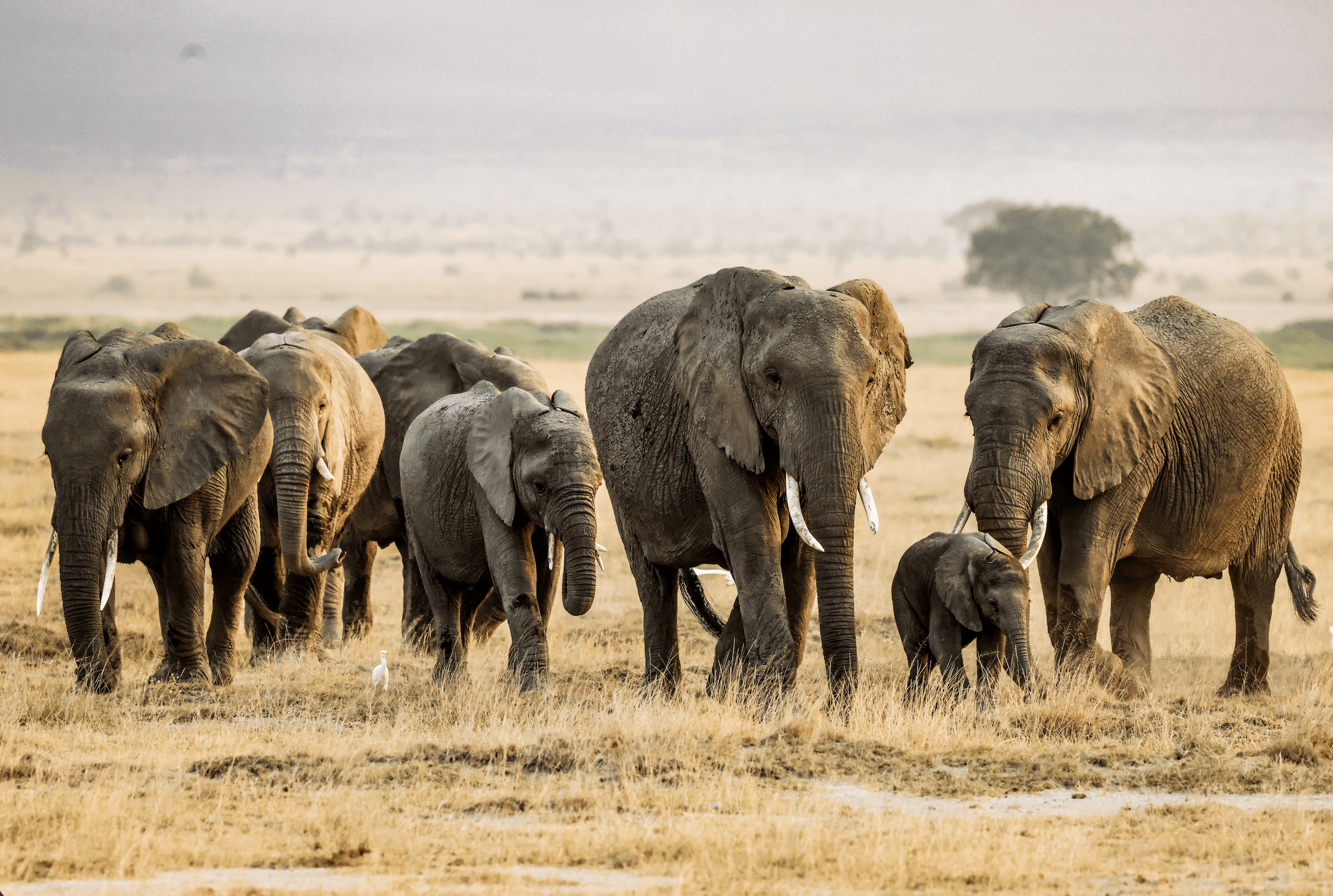
Elephants gathering in the Kajiado County, Kenya / Image: Fali Poncha
Must-See Destinations on a Safari to Kenya and Tanzania
Both Kenya and Tanzania have an exceptional array of national parks and reserves, each offering distinct wildlife and activities for visitors to enjoy. The places you choose to visit on your adventure will ultimately depend on your interests and itinerary.
If you're unsure which destinations to include in your plans, here's a comprehensive overview of the main parks and reserves across both countries to help you plan your journey.
Tanzania's National Parks and Reserves
Lake Manyara National Park
Famous for its large population of tree-climbing lions and flamingos, Lake Manyara National Park has long been a favorite on Tanzania's northern circuit.
You can see all kinds of incredible species here, including Africa's largest number of baboons and vast elephant herds. As mentioned, the tree-climbing lions and flamingos are the highlight of a trip to Lake Manyara National Park. On a safari through the rugged savannah and woodland, you can spot the flamingos across the lake (season depending) and the tree-climbing lions hiding in the gorgeous acacia trees, which makes for a truly memorable experience.
Arusha National Park
Arusha National Park is very easy to visit if you're tight on time in the north of the country, but still want to see some animals. The large elephant herds here are said to be among the biggest in Africa, while the striking Mount Meru rises in the distance as zebras and cape buffalo race across the grasslands.
Besides game viewing, visitors can also go canoeing on Small Lake Momella and possibly spot hippos or giraffes as you drift by. There are also some lovely natural wonders worth adding to an itinerary, like the thundering 28-meter Tululusia Waterfall.
Serengeti National Park
Arguably Tanzania's most well-known national park, the Serengeti sits on the border with Kenya and is a regular feature on many visitors' bucket lists. People come here specifically to see the Great Migration, when wildebeest, gazelles, and zebras complete a full loop through this park and the Masai Mara every year in search of water and grass.
Deeper into the park, you also have the chance to see lions and other large predators. The Serengeti is also notable for its unique experiences, such as morning hot-air balloon rides and sunset game drives, which are great additions to a Kenya and Tanzania safari package.
Tarangire National Park
Not as many people visit Tarangire National Park as other parks, but that's part of the allure, as it's widely considered one of Tanzania's hidden gems. You don't get the same crowds here as you do at other parks in the north, like the Ngorongoro Crater, so it feels very authentic and raw.
Similar to Arusha National Park, Tarangire is highly regarded for its huge elephant herds, some of which can reach up to 300 in a single group. If your safari stops at the Tarangire River, you'll have a good chance of seeing them, as this is where they oftentimes congregate.
Another reason to visit Tarangire National Park is that it's also one of the best places in Africa to spot the uniquely shaped baobab tree. Their root-like appearance has made them hugely popular amongst travelers far and wide.
Ngorongoro Conservation Area
The Ngorongoro Conservation Area, neighboring the Serengeti, offers some of the finest animal-spotting opportunities in all of East Africa. While its claim to fame as the world's largest intact volcanic caldera is impressive on its own right, the chance to spot the Big Five and other notable species, including pink flamingos, makes it a standout safari destination.
It's not just animals that populate the Ngorongoro Conservation Area. The Masai people have lived here for generations, practicing their traditions and living peacefully among the wildlife. When booking a safari with us, it's easy to include a stop at a Masai village, so you can gain some real insight into their daily lives.
Kenya's National Parks and Reserves
Masaai Mara National Reserve
The Masai Mara National Reserve is often visited alongside the Serengeti due to its proximity, as it's situated in southwestern Kenya on the border with Tanzania. At certain times of the year, it's also possible to witness the Great Migration here. After moving north through Tanzania, the migration crosses into the Masai Mara, allowing visitors to see this remarkable spectacle in two different countries.
Filled with elephants, rhinos, cheetahs, and more, the Masai Mara is up there with the top wildlife parks in Kenya. Plus, there are plenty of upmarket accommodation options, with numerous luxury lodges scattered across the reserve.
Amboseli National Park
Sitting beneath Mount Kilimanjaro, Amboseli National Park is shaped by its swamps, open savannah, and scattered acacia trees. It’s also rich in wildlife, including four of the Big Five, such as African elephants, buffalo, lions, and leopards, so you can see a lot here.
One of the great things about Amboseli is that it's within driving distance from Nairobi, which is the main entry point to Kenya for most visitors. The journey is roughly four hours and 20 minutes by road, which is why many people choose it as a first stop when heading on a Kenya or Tanzania safari tour.
Tsavo East National Park
Tsavo East stands as one of Kenya's oldest national parks. People sometimes confuse it with Tsavo West, but both fall under the wider Tsavo Conservation Area in the southeast of the country. Between the winding Galana River and the mesmerizing red-dusted elephants, it's a dream destination for wildlife enthusiasts.
If you want to see the Big Five without the crowds, Tsavo East is the place. It's well off the main tourist path, and because it's so big, you can often have the place largely to yourself for a truly remote experience.
Samburu National Reserve
The Samburu National Reserve, on the banks of the Ewaso Ng'iro River, lies in the heart of Kenya and is home to a range of species that are hard to come by in other parks. Here you can spot Beisa Oryx, Somali ostriches, and other unique animals that don't usually make it onto the typical must-see list. The reserve is also rich in birdlife, with hundreds of species recorded, including eagles, Speke's weaver, and more.
A distinct ethnic group called the Samburu people also lives in this region. They are semi-nomadic pastoralists who hold their traditions strong even today, still moving with their cattle through the area in search of food. They're recognizable for their vivid red dress and beadwork worn across the front.
Serengeti & Kenya: Two Countries, One Unforgettable Safari Adventure
Why not combine the very best of Kenya and Tanzania on your next journey—pairing Kenya’s iconic wilderness with Tanzania’s breathtaking Northern Circuit.
Our privately tailored safari adventures are carefully designed around you, with every detail thoughtfully curated to reflect your travel style—from your preferred dates and budget, to handpicked accommodations and exclusive, meaningful experiences along the way.
Whether you are looking for a private escape, a romantic honeymoon, a family adventure, or a multi-country safari experience, our team is here to create a journey that is seamless, personal, and truly unforgettable.