
A COMPLETE LIST OF TRIBES IN TANZANIA

A tribal woman adorned in unique white, silver and blue jewely with her child resting on her back / Tribes in Tanzania
When we think of Tanzania, the first images that come to mind are often its stunning wildlife and picturesque beaches. Beyond these natural wonders, the country is a treasure trove of diverse cultures and traditions, each uniquely represented by the many tribes in Tanzania.
There are a myriad of different African tribes that call various pockets of Tanzania home, from the Chagga people in the northeast to the Makonde tribe in central Tanzania and not to mention the Sukuma in the west.
If you'd like to learn a little more about the country's most famous tribes, this detailed overview will allow you to delve deeper into Tanzania's fascinating ethnic groups.

AFRICAN LION SAFARI
Discover An African Safari With A Unique Perspective. Bridging Lion Conservation With Adventure Travel. Join us on our adventure!
Tribes in Tanzania / Image: @brewbottle
How Many Tribes Are in Tanzania?
Though it's difficult to say for sure how many tribes are in Tanzania, there are thought to be over 120 ethnic groups in the country.
The size of these tribes can vary significantly, as some groups make up substantial portions of the population while others have less than one thousand members.
Most tribes found in Tanzania can trace their roots back to the Bantu people. Indigenous to central Africa, the Bantus gradually moved east, south and west over thousands of years, separating into different tribes.
List of Tribes in Tanzania
THE SUKUMA
We're starting this tribes list with the Sukuma. As the biggest tribe in Tanzania, the Sukuma is comprised of around 10 million members. This accounts for over 15% of the country's total population, indicative of the Sukuma's influence on Tanzania.
The Sukuma are closely related to tribes in western Uganda. They populate much of Lake Victoria's southern shores in northwest Tanzania, where they're believed to have lived for several hundred years.
With so many individuals making up the tribe, the Sukuma are divided into smaller sub-groups and clans, sparsely spread across the region.
Crops like cotton, rice and maize are the primary sources of income, alongside cattle farming. Rearing cattle is more than a revenue stream for the Sukuma, as boasting livestock is also seen as a sign of wealth and high social status.
Energetic dances like the Bugobobobo are commonplace at Sukuma celebrations, and such performances play a central role in retaining traditions and retelling the stories of their ancestors.
If you'd like to learn more about the Sukuma, you can visit the Bujora Cultural Center in the Mwanza region. There's a Sukuma Museum there that's open for tourists, and if you're lucky, you might even get to meet members of the tribe.
Tribes in Tanzania / Image: @pawan9472
The Chagga
We're staying in the north but moving west to the foot of Mount Kilimanjaro, much of which the Chagga people occupy.
Among the major tribes in Tanzania, the Chagga have been living here for around 400 years. Today, there are around two million Chagga people, some of whom have moved to larger cities like Arusha.
At the time of their arrival on the mountain's slopes, many of the Chagga people were divided in terms of language and beliefs. They spent years at war with one another but eventually united when Germany colonized Tanzania in the late 18th century.
Because of their access to Mount Kilimanjaro's fertile volcanic soils and efficient farming methods, the Chagga became the richest of all Tanzania's tribes. Although they grow beans, bananas and maize - their Arabica coffee brings in most of the tribe's earnings.
Family and schooling are the most treasured aspects of life for the Chagga people, who are also the most educated tribe in Tanzania.
Another important part of their culture is religion. Traditionally believers in superstition and witchcraft, the Chagga became predominantly Christian after visits from missionaries throughout the 19th century.
Districts like Rombo offer insight into the life of the Chagga people if you're interested in adding a stop to your safari itinerary. You'll have a chance to stop by the small community-run museum and explore a local village when you're there.

Tribes in Tanzania / Image: @prakosasurya
The Maasai
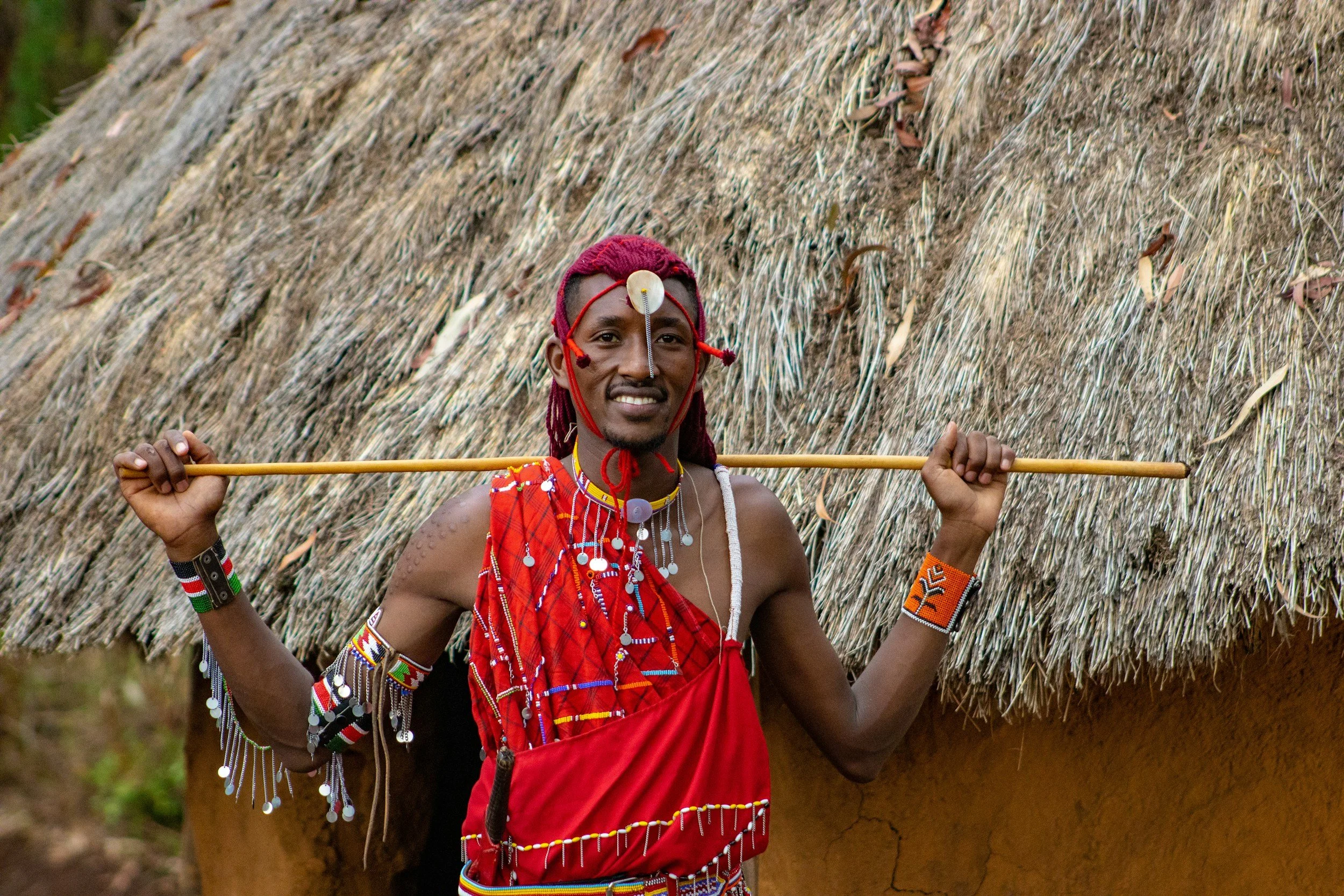
A tribe that has become somewhat emblematic of Tanzania, the Maasai are made up of several hundred thousand individuals living along the vast plains and savannahs in the country's north.
Many Maasai people live over the border in southern Kenya, and a little less than half live in Tanzania.
Originating in South Sudan and northwest Kenya, the Maasai began venturing south during the 15th century. More than any other tribe, the Maasai have a deep-rooted relationship with the land they live on.
After all, they share much of the Serengeti and Ngorongoro Conservation Area with the extraordinary wildlife that Tanzania is so renowned for.
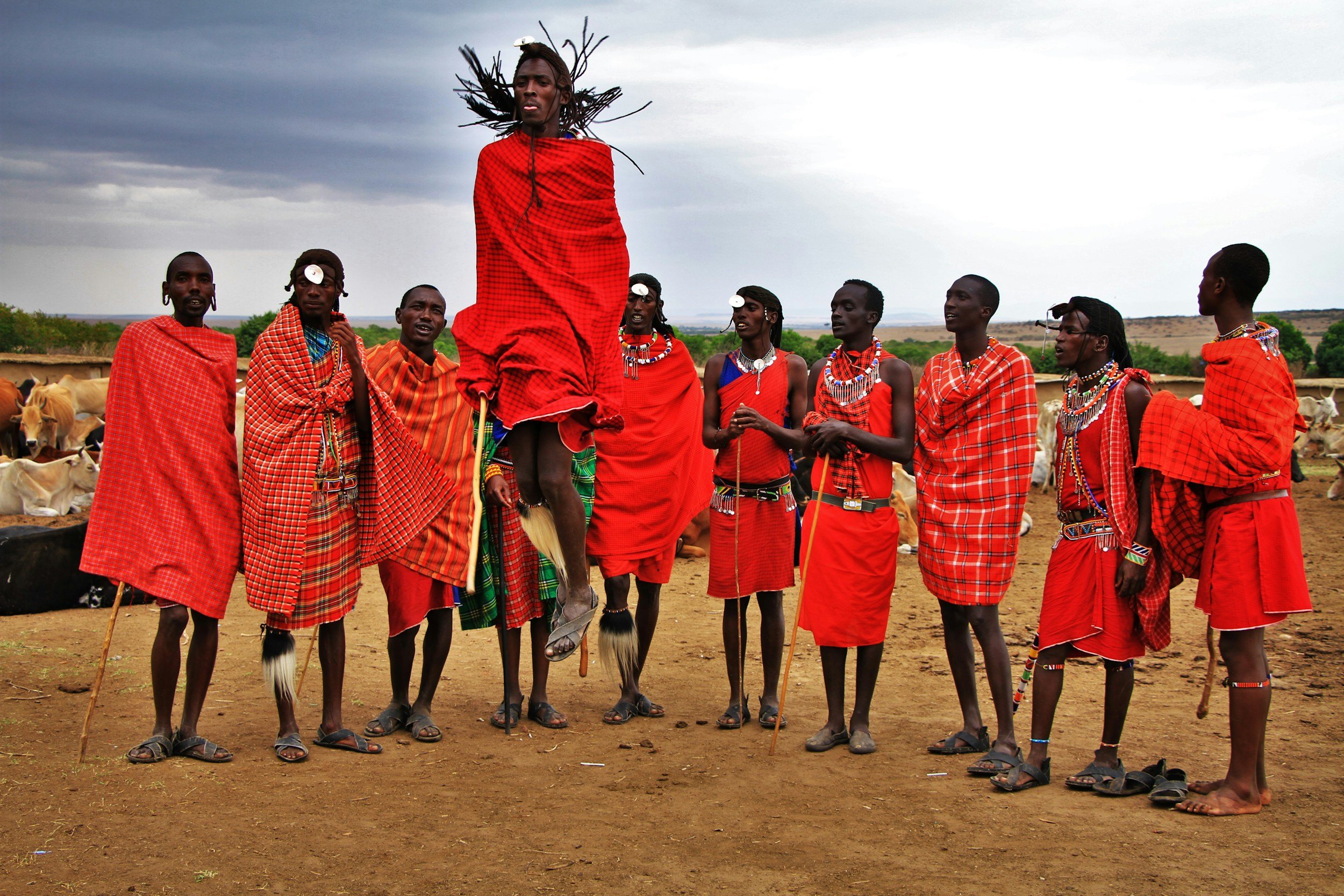
Over time, they have worked to conserve their traditions through their red clothing, colorful jewelry and signature jumping dance.
Yet, modern-day challenges like quality education and environmental changes have become increasingly relevant to the Maasai, who strive to blend tradition into the present.
Cattle are incredibly valuable in Maasai society, and like the Sukuma, they serve as both a source of income and a status symbol. The Maasai's sense of community is unwavering, with members completing initiation rites to take on new roles within each village.
Due to their location along the country's northern safari circuit, the Maasai are the ethnic group in Tanzania that most tourists will become acquainted with during their trip.
You'll find that many safaris typically include a visit to a local Maasai settlement in their itineraries, including ours!
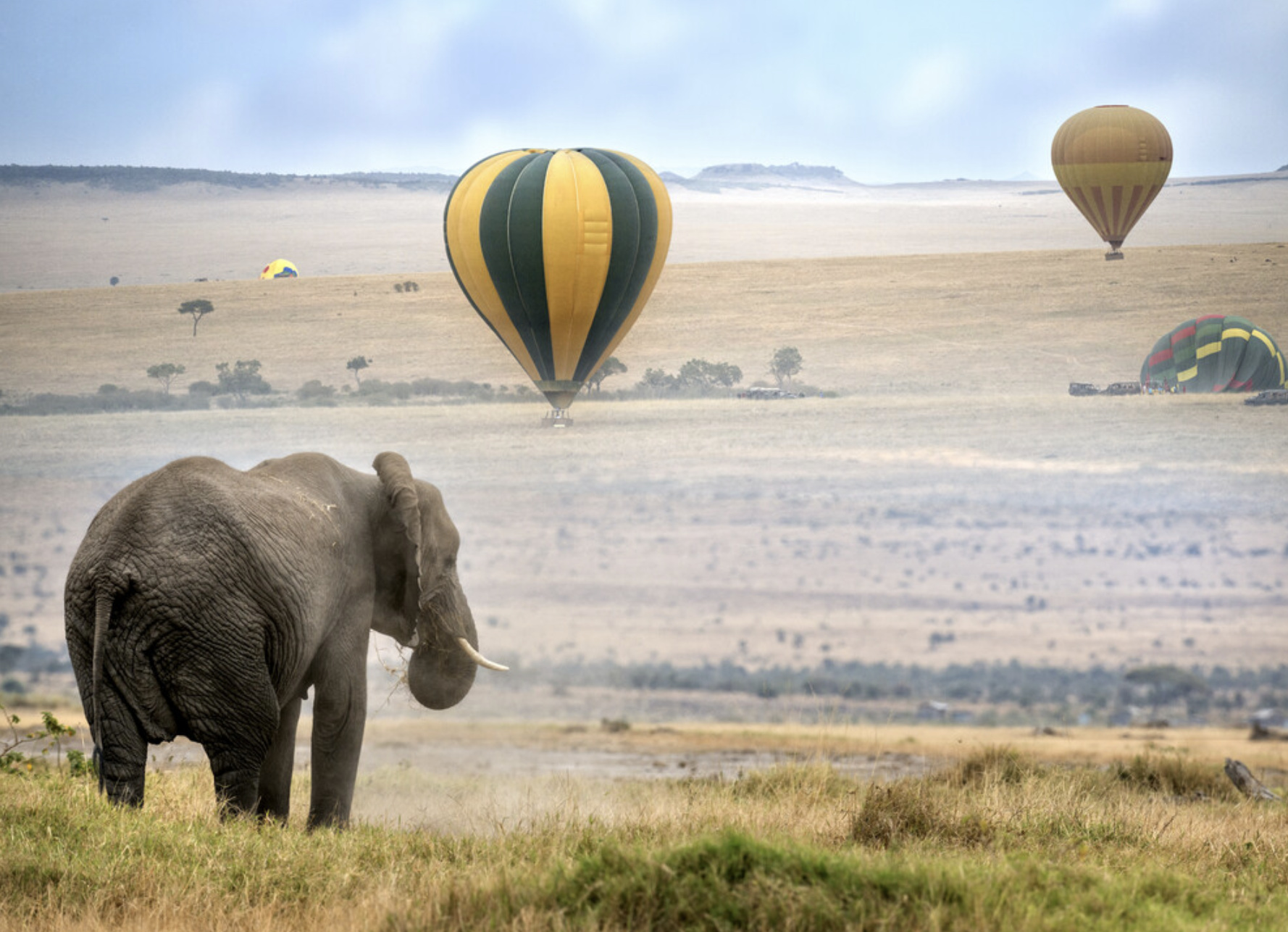
4-DAY SERENGETI ADVENTURE
Showcasing the best of the Serengeti, step inside our adventure and discover how it unfolds right before your very eyes….
THE PARE
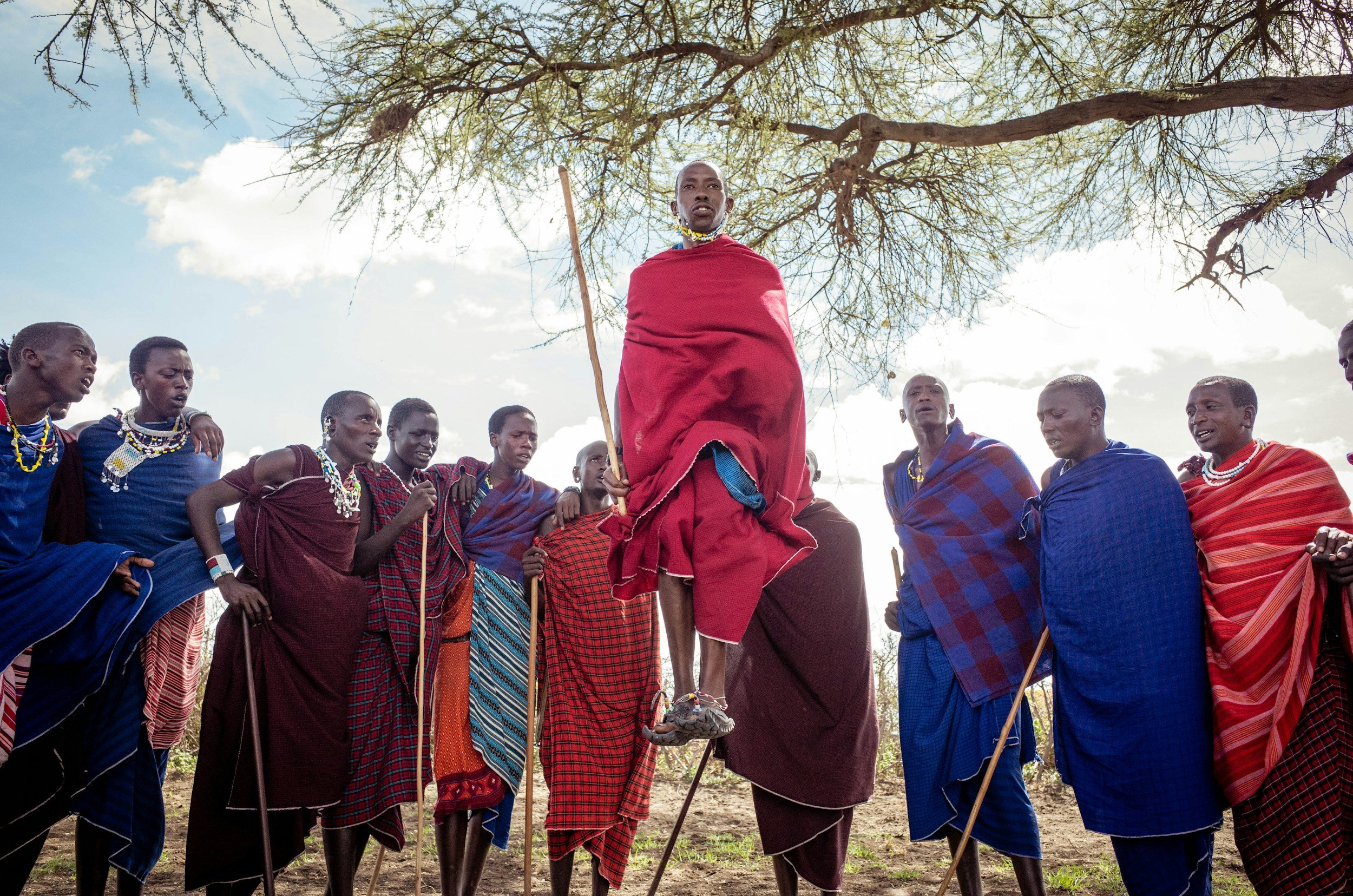
In Tanzania’s Pare Mountains in the northeast of the country, you’ll find the Pare tribe. What’s interesting about the Pare is that there are two subgroups within the tribe. There are the Vughonu, who are the northern Pare, and the Vuasu, who are the southern Pare. Both have their own traditions, while also sharing many similarities.
Within the Pare society, clans are very important. Certain respected figures are obliged to make decisions for their communities. There is some diversity within the Pare’s religious beliefs. It is understood that Islam is the most widely followed religion, particularly Sunni Islam, but there is also a sizable Christian population, with some even being evangelical Christians.
Historically, the Pare have been praised for their iron production, as they were major suppliers to other ethnic groups such as the Maasai.
Tribes in Tanzania / Image: @sanchezorense
The Makonde
The Makonde tribe resides in southeastern Tanzania. Over one million people in the country consider themselves Makonde today. In an effort to maintain their time-honored traditions, the Makonde veer away from other communities in the region.
Throughout the 18th and 19th centuries, groups of the Makonde migrated north from Mozambique across the Tanzanian border. Rather than live under colonial rule or risk being taken by Arab slave traders, the Makonde fled Mozambique.
Agriculture is crucial for the Makonde's livelihood; cassava and maize are among the most profitable crops they cultivate. However, their wooden carvings are perhaps their most famous commodities.
Many members of the Makonde community have mastered their shaping and etching skills to produce some spectacular masks, practical tools and ceremonial helmets.
More than a craft, the creations made by these talented wood carvers are an intrinsic part of this conservative tribe's culture and tradition.
Not only are they used during celebrations, but they are also passed down through generations as family heirlooms, often depicting aspects of Makonde history and spirituality.
Though tourists aren't generally allowed to visit local Makonde villages, many carvers have moved north to sell their products in busier parts of the country. You can watch these accomplished artists at work in craft markets in Arusha and Dar es Salaam.
The Makua
Dotted across parts of southern Tanzania, the Makua are a very interesting tribe, with a population of over 750,000 living in the country today. However, the largest portion of their population lives in Mozambique, with others also residing in Zimbabwe, Comoros, and Mayotte.
The age of 12 is an important part of a Makua person’s life. For women, they must leave their family homes for two weeks and go through the process of becoming an adult. This is carried out by female guides, who lead them on the path to womanhood and teach them about traditions.
For men, on the other hand, they must undergo a circumcision process that can last up to a month. First, the procedure takes place, and then the village chief instructs them on what it means to be a man in the community before they return to their lives.
Many Makua go on to become farmers, as it is a reliable source of income for their communities, with corn being one of their main crops. Both men and women share responsibilities, including preparing the land and planting seeds.

Tribes in Tanzania / Image: @jasonhafso
The Hehe
Found in south-central Tanzania, primarily in the Iringa region, the Hehe are a mainly Christian tribe with their own language, Hehe. They have been acknowledged for their fierce, warrior-like reputation, as they are believed to have resisted German forces during colonisation.
It is estimated that more than 1.5 million Hehe still live in Tanzania today, many of whom reside in kinship-based communities. They are a Bantu ethnolinguistic group traditionally living in remote areas. However, with ongoing modernisation, some have migrated to semi-urban locations.
Farming plays a major role in their daily lives, with beans and maize among their most common crops, alongside cattle rearing. Their communities are easily recognisable by their distinctive U-shaped houses, which are primarily constructed from mud.
The Hadza
The Hadza are no ordinary tribe. They're one of the few ethnic groups on the planet that continue to live a hunter-gatherer lifestyle. Considerably less populated than many of Tanzania's other tribes, the Hadza are just as well-known as their larger counterparts due to their old-school way of life.
Less than 1,500 members of the Hadza remain in the tribe's homeland between Lake Eyasi and the Serengeti Plateau. Descended from aboriginal Tanzanians, the Hadza have been living in this region for thousands of years, leading lives remarkably similar to those of their ancestors.
In stark contrast to many tribes, the Hadza have not adopted a social hierarchy, place no value on material possessions and don't grow food. As a result, the Hadza's life expectancy is low, with most adults expected to live to just 33, much like past hunter-gatherers.
Much of their time is spent scavenging for edible plants and hunting wild game using homemade bows and arrows. Using their distinctive language, the Hadza people communicate by combining words and clicking sounds.
It's possible to travel to the Yaeda Valley to meet with the fascinating people of this tribe. Depending on the duration of your trip, you can spend your time hunting with them, exploring their temporary campsites and journeying back in time to discover what life was like some 15,000 years ago.

Tribes in Tanzania
The Gogo
A large tribe of over 3 million residing in central Tanzania, the Gogo heavily populate the Dodoma region. Their historical origins lie in northeastern Africa, an area once known as Nubia. Over time, they gradually migrated south and established themselves in Tanzania. Like some other tribes on this list, clans have long been central to Gogo society, shaping their communities into what they are today.
Cattle are an integral part of daily life among the Gogos, serving not only as a means of survival but also as a symbol of social status. However, due to the arid nature of the region they inhabit, the Gogo frequently face drought. Fortunately, having lived in this environment for generations, they have adapted their agricultural practices to make the most of the resources available to them.
Gogo is the official language of the Gogo people, and their religious beliefs center on Christianity. However, African spirituality is still common among many Gogos, with ceremonial practices related to fertility still being held from time to time.
Music is deeply valued in Gogo culture, with instruments such as the ndono and zeze regularly appearing in village performances.
CELEBRATE A SPECIAL MILESTONE SAFARI ADVENTURE WITH US
Mark life’s most meaningful moments with a tailor-made safari experience designed just for you.
The Iraqw
The Iraqw may not be the first tribe that comes to mind when people think of northern Tanzania, but they are fascinating people. This Cushitic ethnic group are based in parts of the Arusha and Manyara regions and has its own language, Iraqw, which originates from the Afroasiatic language sphere.
The Iraqw combine agriculture with livestock keeping as a means to survive, making them agro-pastoralists. They are easily recognisable by their brightly colored clothing and distinctive use of beads, which make them stand out, especially the women. In contrast, men typically wear gowns and sometimes turbans.
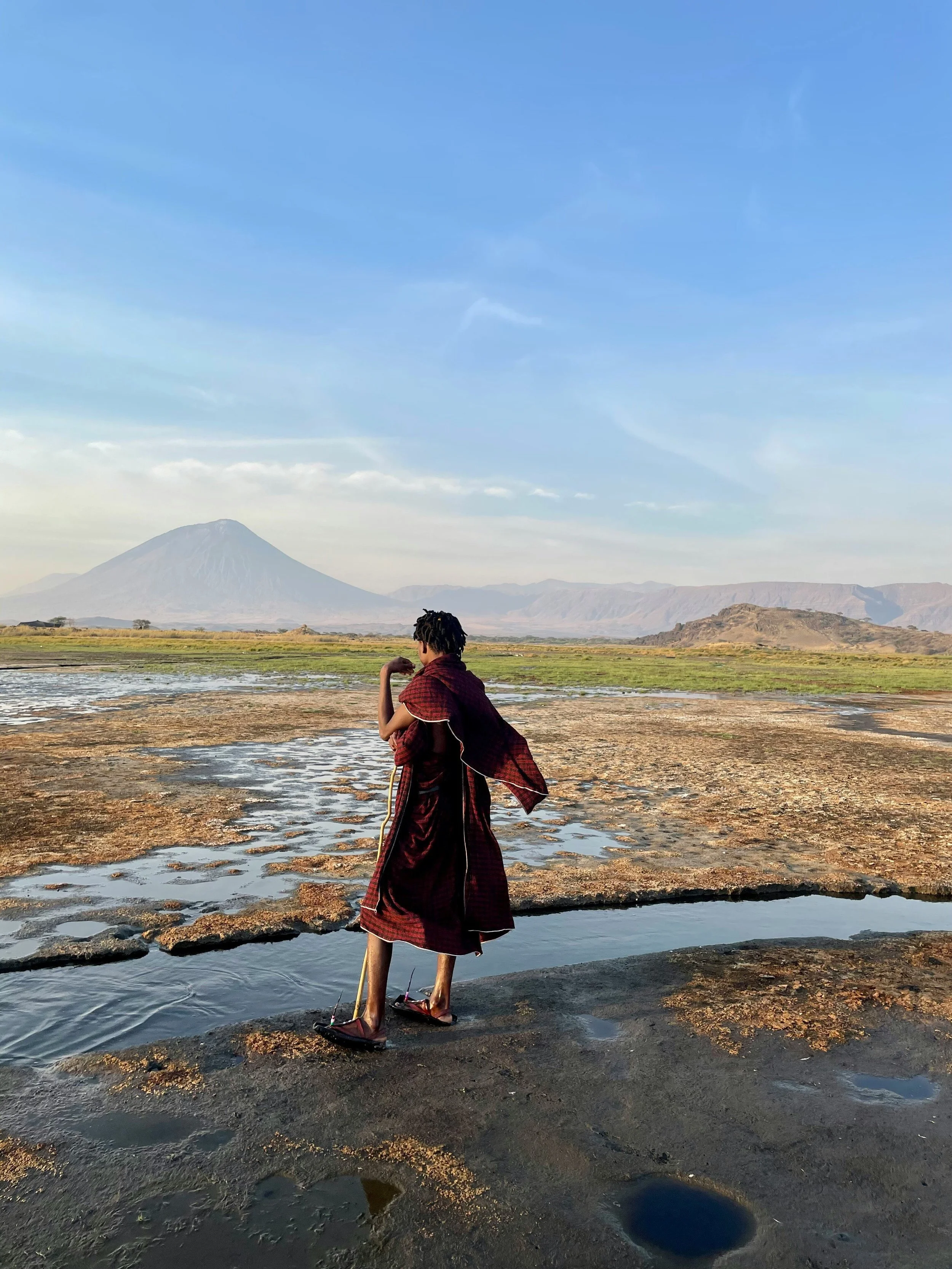
A tribesman looking over the sunrise at lake Natron
The Zigua
Having fled persecution during the slave trade era in Tanzania, the Zigua are a Bantu tribe that settled along the northern coastal shores and speak Chizigula. Many of them also speak Swahili. It is estimated that more than 600,000 Zigua live in Tanzania today, though they are considered among the country's more economically disadvantaged tribes.
If you are lucky enough to attend a Zigua music performance, you are in for a treat. One such event is the hunting dance, known locally as the Ukala. It involves chanting and drumming, along with vibrant dance movements.
In terms of Islamic tribes in Tanzania, the Zigua are known for being quite strict with their religious practices, with many families sending their children to madrasas (Islamic schools) for education. Alongside this, witchcraft is also widely practiced.
The Nyamwezi
The country's second-largest ethnic group, the Nyamwezi, has lived in regions across northwest and central Tanzania since the 17th century. Nowadays, around 1.5 million Tanzanians consider themselves Nyamwezi.
At one point, most members lived in close quarters in small villages, but during the 19th and 20th centuries, many groups within the tribe spread out into different settlements.
While their language, practices and traditions have similar roots to the Sukuma, the Nyamwezi have developed customs of their own.
Similarly, Nyamwezi people have been influenced by Islam and Christianity over time, but their religious beliefs, based on the moon, spirits and ancestry worship, have remained intact.
Like many tribes, most of the Nyamwezi earn their money from selling crops, with rice and sorghum being two of their most popular products.
You can visit some Nyamwezi villages across various parts of Tanzania and immerse yourself in their unique culture through traditional music, basket weaving and symbolic dancing.

Tribes in Tanzania / Image: @kahiriken
The Zaramo
Another Bantu tribe you may have never heard of is the Zaramo. This ethnic group is found quite close to Dar es Salaam, in the low-lying areas near the coast. Prior to living in this area, they mostly lived in the interior of the country.
The Zaramo community is divided into two main groups. Many live in cities such as Dar es Salaam and lead a modern lifestyle, while others live in rural areas and earn their living by growing crops such as mangoes, coconuts, and rice.
Most Zaramos are Muslim, but this was not always the case, as these beliefs have only been adopted within the past 100 years or so. Before this, they followed various folk religions.
Another interesting fact about Zaramo society is that it is polygamous, meaning men are allowed to have multiple wives.
Which Tanzanian Tribe Interests You the Most?
This list by no means covers all the tribes in Tanzania, but we've made sure to include some of the more well-known tribes. The cultural characteristics of the country's tribes, in terms of customs, religion and language, have significantly impacted the country's social fabric.
Daily life in Tanzania has been shaped by the practices and beliefs of each tribal group, allowing the country to preserve its identity despite its ever-changing and increasingly modernized society. Whether in a city like Dar es Salaam or the depths of the Serengeti, you're bound to witness it.

Let Us Design Your Dream African Safari
YOU DREAM - WE CREATE
Our tailored African safaris are bespoke and customizable and we design to cater to your every need.
Our Design team is dedicated to crafting personalized experiences that perfectly align with your preferences, requirements, and aspirations. From the sweeping plains of the Serengeti to the untamed beauty of the Okavango Delta, we leave no destination unexplored.
Whether you're venturing alone, with a partner, as a group, or with your family - Reach out to us today, and let's embark on the journey of a lifetime!