
When is the Calving Season in Tanzania?
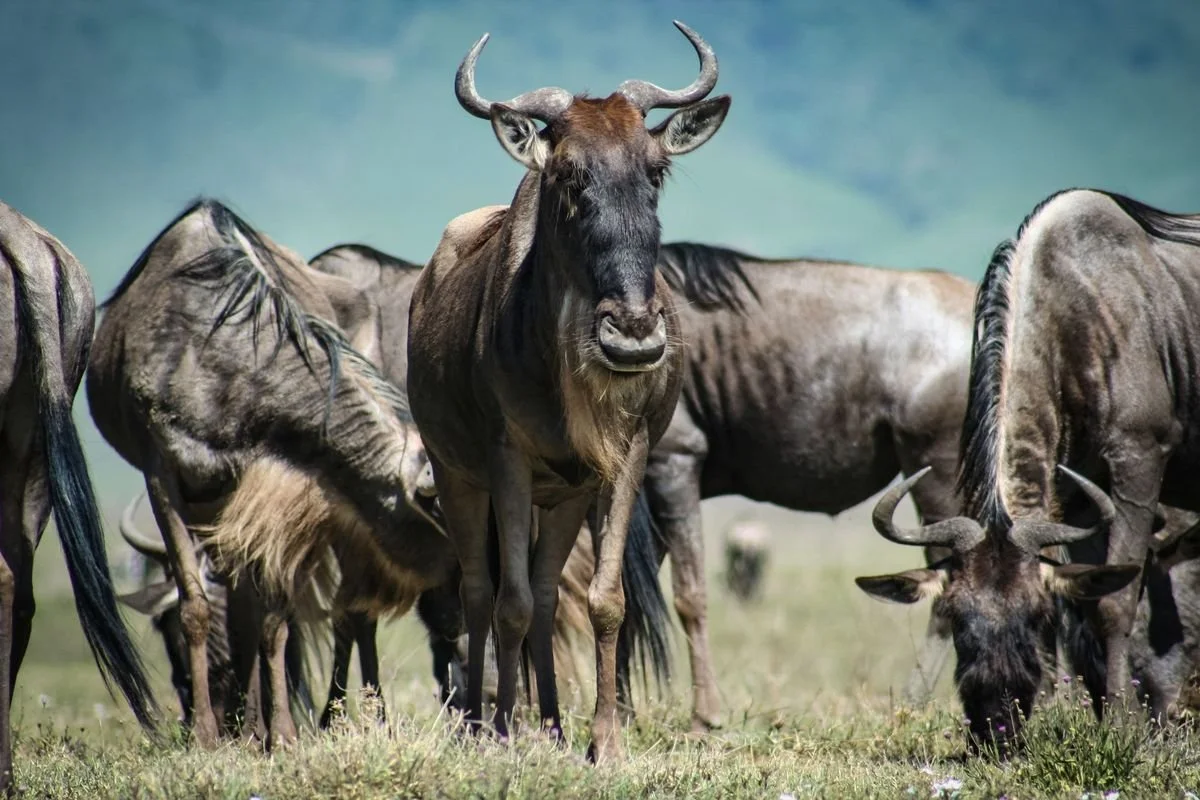
Wildebeests congregate during calving season in Ndutu
Tanzania's calving season starts in January and runs until March, with the peak month being February, when the highest number of calves are born. This three-month window is a rewarding time to be on safari, as it provides a rare glimpse into one of East Africa's most famous wildlife events.
Most people plan their Tanzania trip around the Great Migration, but often end up booking during drier, busier months without realizing that the calving season offers an equally exciting and often quieter experience.
This spectacle is centered around the Ndutu plains, an area within the Ngorongoro Conservation Area that borders the southern Serengeti. It is here, at the beginning of each year, that more than a million wildebeest gather in search of fresh grazing, with the area's nutritious grasses providing favorable conditions for calving.
Throughout the calving season, hundreds of thousands of calves are born, but their arrival also attracts increased predator activity across the plains. This is a particularly vulnerable time for the herds, but a dramatic wildlife-viewing experience for travelers seeking something truly special during their trip to Tanzania.
If you're planning a safari around the calving season, this guide covers when it happens, what to expect each month, and what to consider before booking.
4-DAY SERENGETI ADVENTURE
Showcasing the best of the Serengeti, step inside our adventure and discover how it unfolds right before your very eyes….
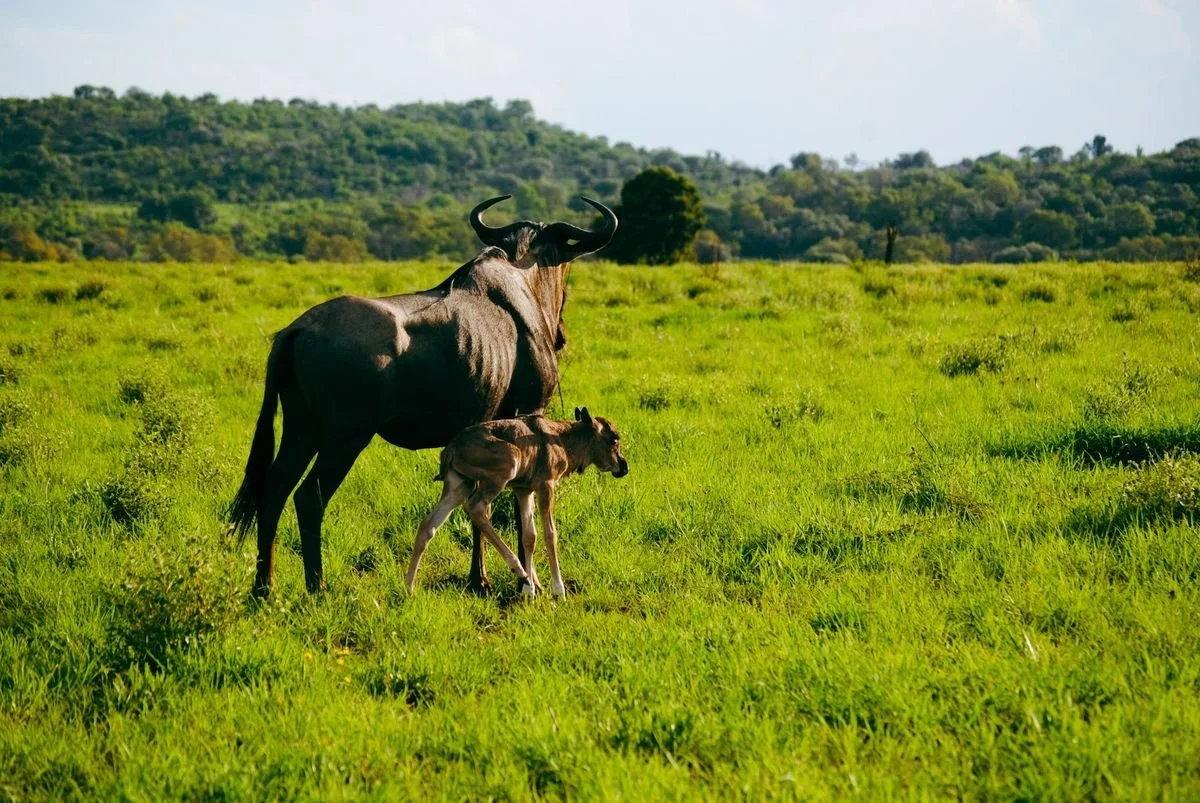
A wildebeest mother and newborn calf walking through vibrant green pastures / Image: Philippe Alamazani
What Happens During the Calving Season?
The calving season is the stage of the great migration when over a million wildebeest gather across the southern Serengeti and the Ngorongoro Conservation Area, particularly around Ndutu, to give birth. During this brief window, the plains around Ndutu are covered in short, mineral-rich grass, which gives pregnant wildebeest the nutrition they need in the final stage of pregnancy.
It has long been a popular time for travelers to come and watch wildebeest in their natural habitat up close, especially for those who may not have as much free time for a summer safari. Mothers stay close to their calves as they take their first steps, and you can observe huge herds spread across the plains without the crowds that build up during the high season.
The large volume of births that happen during the Serengeti calving season is extraordinary. Around the peak month of February, up to 8,000 calves may be born over the course of 24 hours. It's not without its risks, though.
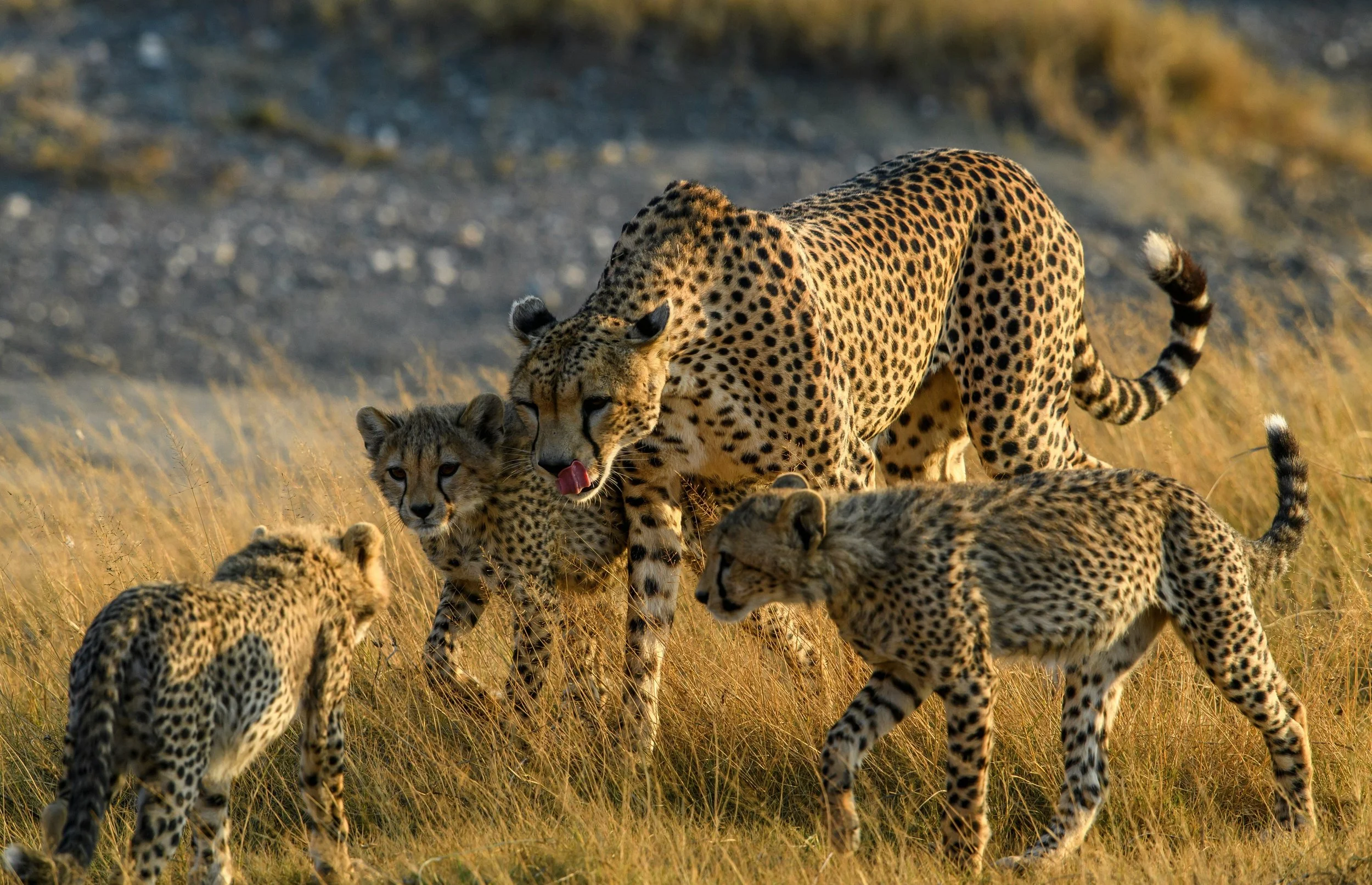
Predators like cheetahs, hyenas, and lions are never far from the action, waiting for the right moment when a newborn strays too far from its mother so they can attack.
Which Months Does the Calving Season Take Place?
The wildebeest calving season happens across the first three months of the year, including January, February, and March, each offering a different type of experience. Here’s what you can expect throughout the various periods.
January
January marks the start of the season, as the herds settle into the southern Serengeti and the open plains around Lake Ndutu. Numbers start to build steadily through the month, and while it's not yet the peak month, you will still witness births among the first arrivals.
We particularly like this month because there are fewer crowds than February. So if you want to have a quieter experience, January can be a good choice.
February
The peak of the calving season typically happens in February, when thousands of calves are born each day, with figures sometimes reaching around 8,000.
It's also prime hunting season for predators. Newborn calves are seen as prey by lions, hyenas, and cheetahs. However, the large population of calves makes it difficult for predators to catch more than a small number of them, which is a phenomenon known as predator swamping.
For wildlife sightings, we'd rate February as the strongest month of the three. The weather is often warm and sunny as well, though sometimes short showers can happen from time to time.
March
March is the tail end of the calving season, when the birth rate starts to fall. The Great Migration begins entering its next stage of the cycle, as the end of the month approaches.
You may still spot the occasional birth, but once it gets to the back end of March, the herds are already turning north as the mating season begins.
For this kind of itinerary, we often pair the final days of the calving season with a visit to the Ngorongoro Crater, giving our guests an exciting way to extend their trip.
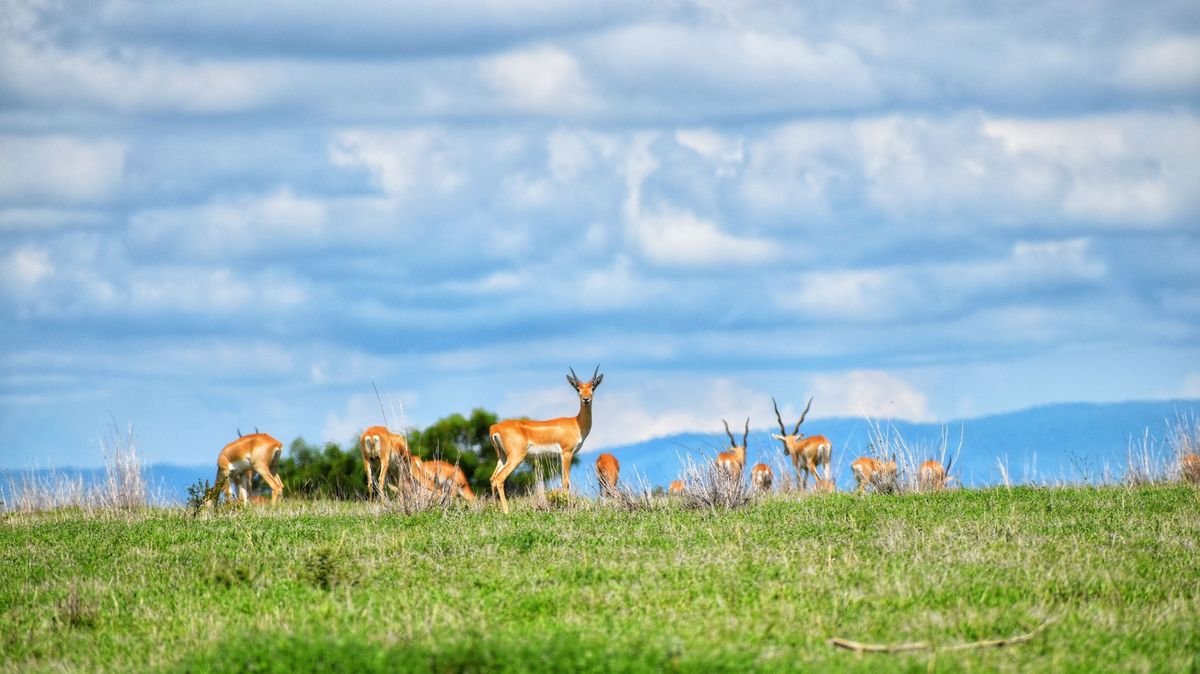
A group of gazelles stand in green grass with blue skies in the background / Image: Storiesbychakravarthy Nripen
How to Plan a Calving Season Visit
Choose a Month to Visit
Your choice of month shapes the kind of experience you'll have. January, February, and March each have their own highlights, but if you want to see births happening up close, we'd point you toward February, when calves can arrive within seconds of one another.
Keep in mind that although the weather is largely dry throughout the season, occasional rain showers can happen, so you'll need to account for them.
Select a Base
The best place to stay depends on where the migration is when you visit, whether that’s Serengeti National Park or the Ngorongoro Conservation Area. Both areas have a strong selection of camps, but when we're designing an itinerary, the location of the herds on the ground always takes priority over a fixed camp choice. With this in mind, we’ll take your travel dates and recommend a camp based on where we know the herds are likely to be.
Pick an Operator
The operator you choose can have a significant impact on your calving-season safari. You'll want to be with a team that knows the region well and tracks the migration movements day to day, rather than working from a fixed route.
We recommend a private safari over a group itinerary for exactly this reason. It gives you the flexibility to follow the herds based on where they are instead of being tied to a strict schedule.
Give Yourself Enough Days
A single game drive offers only a brief glimpse of the calving season. The migration can move locations from one day to the next, so there's a real chance of missing it if your visit is limited to a single outing.
For our guests, we always advise building in a few extra days to an itinerary to be on the safe side. It removes the pressure and gives you a much stronger chance of being in the right place at the right time.
Book as Soon as Possible
Although the calving season attracts fewer visitors than the peak migration months, availability can still be limited. Camps, guides, and flights all go up in price as demand builds.
That’s why it's a good idea to book a few months in advance to secure the best rates and camps, as it will only become more difficult as January approaches.
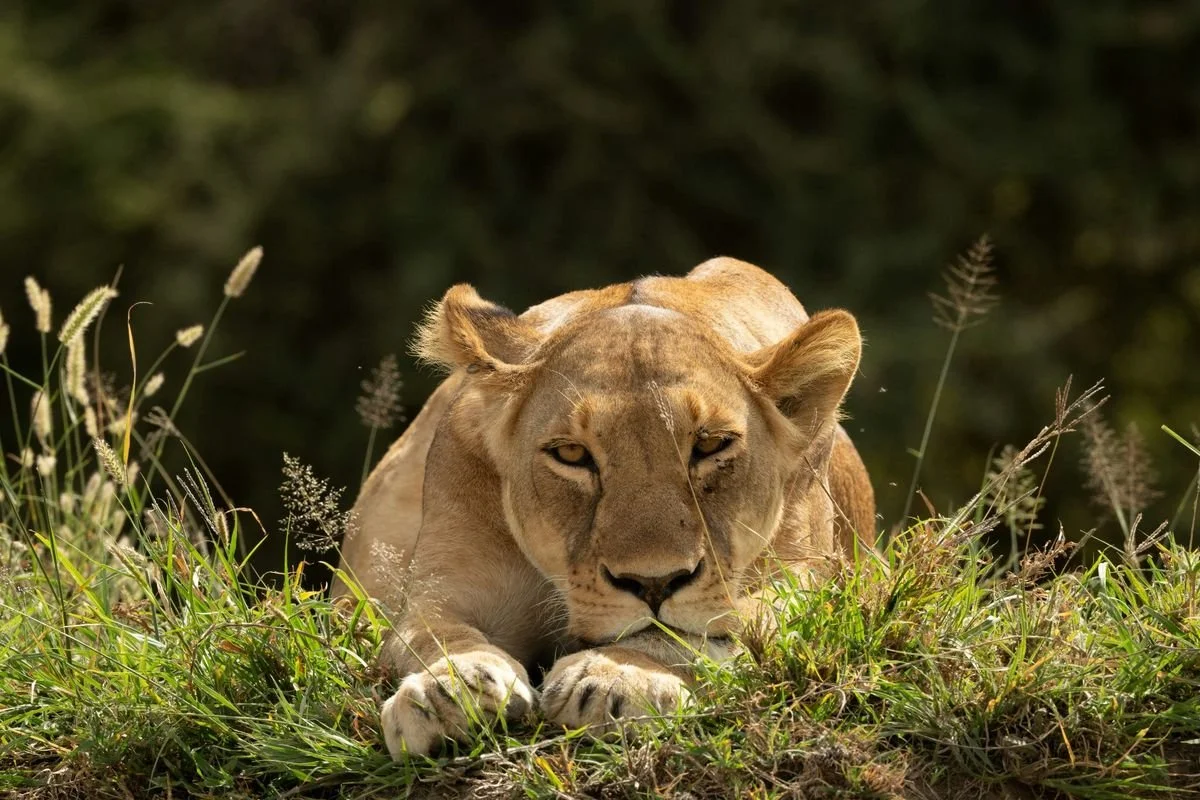
Theres never a lion too far away during calving season in Ndutu / Image: Alain Bonnardeaux
Tanzania Calving Season FAQs
Can you see predators during the calving season?
Yes. Lions, cheetahs, leopards, and hyenas are all often spotted during the calving season. These predators are notorious for hunting wildebeest and targeting vulnerable calves, but the high birth rate gives the herds an advantage.
This is referred to as predator swamping. So many newborns arrive at once that predators cannot catch them all.
Is Ndutu inside the Serengeti or the Ngorongoro Conservation Area?
Ndutu sits within the Ngorongoro Conservation Area, not the Serengeti National Park itself. However, it forms part of the wider Serengeti ecosystem, which is why people often get confused.
How many wildebeest are born during the calving season?
Estimates suggest around 500,000 calves are born over the course of the calving season. Sometimes, 8,000 are born in a single day during the month of February, sometimes just seconds apart.
Does the calving season happen at the same time every year?
Generally, yes, the calving season falls between January and March each year, though the exact timing shifts slightly depending on when the herds arrive at the Ndutu plains. Usually, the season gets underway by late January and slowly winds down by the end of March.
What is the weather like during Tanzania's calving season?
The weather is generally dry, with occasional light showers and the odd thunderstorm. If anything, this adds to the whole experience, as the animals tend to gather where rain has recently fallen, making them easier to track. Downpours are usually brief and rarely disrupt a full-day safari, so as long as you have a rain jacket, you'll be fine.
Experience the Calving Season in Tanzania With BornWild
The calving season remains one of the most underrated times to visit Tanzania. For those tracking the Great Migration, it’s an amazing opportunity to witness newborn wildebeest in the earliest stages of their lives while predators remain nearby.
Planning a calving season safari takes a level of local knowledge that goes well beyond a standard itinerary. Tracking the herds, securing camp availability, and judging the distances between locations all require an operator who knows the region inside out, and that's exactly where BornWild comes in.
If you're ready to start planning your calving season adventure, get in touch with us today, and we can help you organize your trip. bornwild@bornwild.rocks
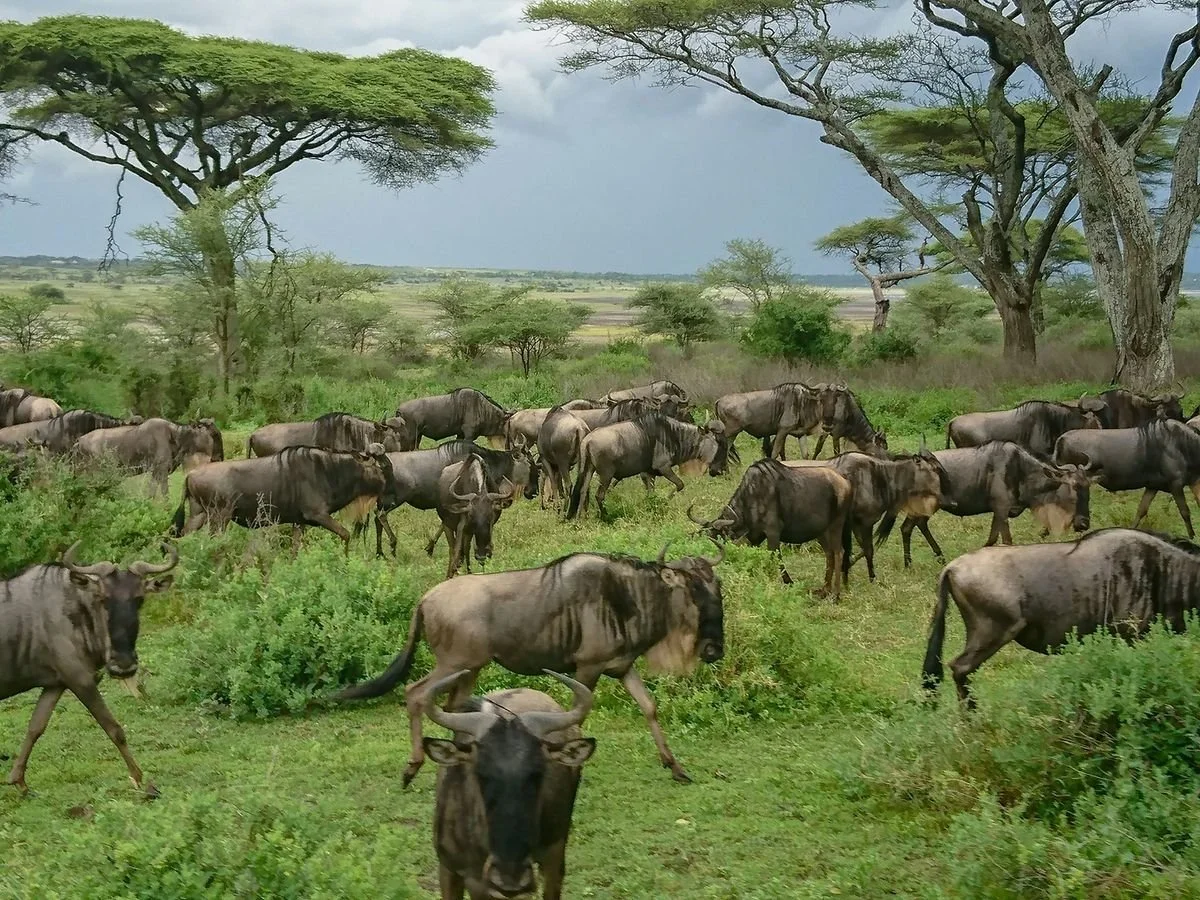
Wildebeest meandering near Ndutu Lake during the green season / Image: Ben Preater
Ready to Experience Tanzania’s Calving Season?
If you’ve been dreaming of witnessing the magic of the wildebeest calving season in Ndutu, we would love to help you make it happen.
Whether you’re considering January, February or March, we’ll help you work out the best timing and create an itinerary that combines Ndutu with the other highlights of northern Tanzania.
Get in touch with us today to start planning your private Ndutu safari. We’d love to hear what you’re dreaming of and help you create an unforgettable adventure in Tanzania.